Top Welding Cutting Machine Manufacturers Worldwide?
Choosing the top Welding Cutting Machine manufacturers worldwide requires more than comparing catalog prices. Real performance appears on the workshop floor, where sparks, heat, dust, and tight production schedules expose weak designs. A machine may look impressive online. It may still disappoint beside a busy fabrication line. This introduction examines manufacturers through engineering quality, cutting accuracy, welding stability, service coverage, and documented customer experience. These factors matter to metal fabricators, shipyards, construction teams, and industrial maintenance departments.
Established brands often invest in inverter technology, automated controls, thermal protection, and consistent torch or electrode systems. However, advanced features are useful only when operators can configure them safely and maintain them efficiently. Look for clear technical specifications, independent certifications, training materials, spare-parts availability, and responsive regional support. A reliable supplier should explain duty cycles honestly, including performance at high ambient temperatures. Marketing claims deserve practical questions. Can the unit hold a stable arc after hours of use? Can technicians obtain parts without long delays? These details separate dependable equipment from attractive packaging.
Global comparisons also require context. A manufacturer strong in laser cutting may not lead in portable stick welding. Power standards, local service networks, material thickness, and workplace conditions change the result. No single ranking fits every buyer. That is the uncomfortable part. Some published comparisons remain incomplete because testing methods differ. Therefore, the following guide presents leading manufacturers with balanced attention to evidence, field usability, safety, and long-term value. Readers should verify current specifications before purchasing, because product lines and regional support can change.
Types of Welding and Cutting Machines
Welding and cutting machines serve different production needs, materials, and workshop conditions. MIG and MAG welders use continuous wire, making them practical for steel frames, vehicle repairs, and repeated joints. Their fast deposition suits production work, but shielding gas and surface cleanliness still matter. TIG machines create precise, clean welds on stainless steel, aluminum, and thin sheet. They require more hand control. The process is slower.
Stick welders remain useful outdoors and on heavy steel. Coated electrodes tolerate some wind and rough surfaces, although slag removal adds labor. For cutting, plasma machines use a concentrated electrical arc to separate conductive metal. They cut quickly and leave a narrower heat-affected area than many traditional methods. Oxy-fuel equipment handles thick carbon steel effectively, but it needs careful flame control and proper ventilation.
Laser welding and cutting systems offer fine accuracy, small heat distortion, and repeatable results. Their higher cost and strict setup requirements may not suit every workshop. Waterjet cutters avoid heat damage and can process many materials, including stone and composites. However, abrasive disposal and operating expenses deserve attention. I would not select equipment by speed alone. Power stability, consumable availability, operator training, extraction, and maintenance access often decide real performance. A machine can look impressive during a demonstration and disappoint beside a dusty fabrication table. That is an easy detail to miss.
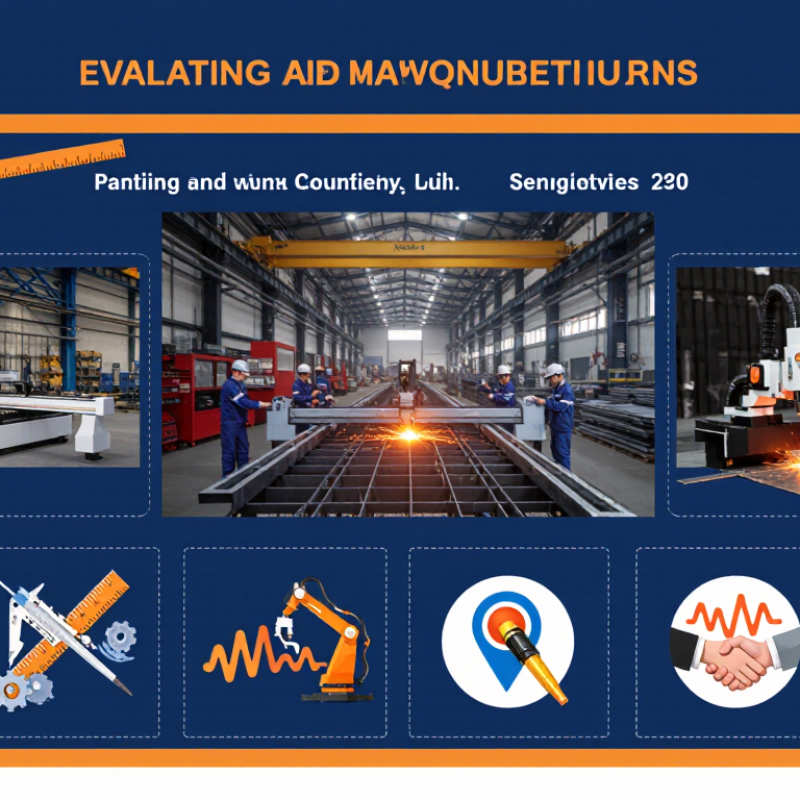
Reliable selection also requires checking duty cycle, torch design, control quality, and documented safety features. Test cuts and sample welds reveal more than brochures. Measurements should include penetration, edge quality, distortion, and cleanup time. Mistakes happen. Good evaluation leaves room to revise the purchase decision.
Key Criteria for Comparing Global Manufacturers
Comparing global welding and cutting machine manufacturers requires more than checking power ratings or catalog prices. Start with proven experience in your material and production environment. A manufacturer serving shipyards may not understand the precision needs of a small fabrication workshop. Ask for case evidence, machine life data, and test results using your actual steel thickness, joint design, and cutting speed.
Technical expertise appears in details. Review torch stability, heat control, software functions, consumable access, and compatibility with existing equipment. Request a sample cut or weld before signing an order. Inspect edge squareness, slag levels, bead consistency, and heat distortion under realistic settings. Clear manuals and practical operator training also matter. A machine can be impressive on paper and frustrating beside a noisy factory floor.
Reliability should be measured over time. Compare warranty terms, spare-part availability, response times, and service coverage in your region. Ask how faults are diagnosed remotely and how emergency repairs are handled. Independent certifications and documented quality procedures can support credibility, but they should not replace direct verification. Visit a production site when possible. Look for organized assembly areas, traceable components, and technicians who explain limitations honestly.
No scorecard is perfect. Price can still influence the decision. However, the cheapest machine may create hidden costs through downtime, waste, and retraining. A supplier that admits weaknesses may deserve more trust than one promising flawless performance. Evaluate the complete operating picture, including energy use, maintenance hours, safety features, and the skill level of your operators.
Leading Welding and Cutting Machine Manufacturers Worldwide
Leading welding and cutting machine manufacturers worldwide are competing in a market shaped by automation, energy efficiency, and skilled-labor shortages. Grand View Research valued the global welding equipment market at approximately USD 14 billion in 2023. It projects steady growth through 2030, supported by construction, transportation, and industrial fabrication.
Reliable manufacturers do more than advertise high amperage or cutting speed. They design equipment around duty cycle, arc stability, thermal control, and operator safety. In factory trials, buyers should examine bead consistency, kerf quality, consumable use, and recovery time after overloads. Compliance with IEC 60974, ISO 9001, and relevant regional safety requirements also strengthens purchasing confidence. Strong technical support matters. A failed controller can stop an entire production line.
Digital connectivity is becoming a practical differentiator. Modern systems can record welding parameters, support remote diagnostics, and connect with robotic cells. MarketsandMarkets has reported continuing demand for automated welding equipment as manufacturers seek higher productivity and repeatable quality. However, automation is not always the best answer. Small workshops may gain more from accessible controls and local service than complex software.
Industry estimates sometimes disagree because reports define equipment categories differently. That limitation deserves attention. A lower purchase price can also hide training, maintenance, and replacement costs. Experienced buyers should compare total ownership costs over several years, request application samples, and verify service response times before selecting a global supplier.
Global Welding Equipment Market Outlook
The chart shows the estimated global welding equipment market value from 2023 to 2030.
The figures are rounded industry market estimates and cover welding power sources, systems, and related equipment, excluding individual company or brand performance.
Industry Applications and Manufacturing Capabilities
Top welding cutting machine manufacturers worldwide are judged by more than production volume. Their equipment must perform reliably across demanding industrial environments. Shipyards use high-power plasma systems for thick steel plates and curved sections. Construction teams often need portable cutters for beams, pipes, and field repairs. Automotive plants require accurate laser cutting and automated welding for repeatable body components.
Manufacturing capability matters just as much as cutting speed. Reliable producers control power systems, motion guides, torch assemblies, and software integration. They test machines under heat, vibration, dust, and extended workloads. A well-built table should maintain positioning accuracy after thousands of cycles. Service access also matters. Technicians need clear wiring layouts, replaceable parts, and practical diagnostic tools.
Real workshops expose weaknesses quickly. A machine may advertise impressive speed but struggle with warped plates or unstable voltage. That assumption fails. Experienced buyers compare duty cycle, kerf quality, material thickness, and maintenance records. Food-processing facilities may prioritize clean stainless-steel cuts, while heavy equipment plants demand deep penetration and strong weld consistency. Smaller fabricators often value flexible fixtures and simple controls over maximum output. No machine fits every workshop. Even advanced systems require trained operators, careful calibration, and realistic production planning. Manufacturers that document test conditions earn greater trust, although published results may not match every factory floor.
Safety, Certification, and After-Sales Support
Choosing top welding cutting machine manufacturers worldwide requires more than comparing arc stability or cutting speed. Safety evidence matters. OSHA estimates that about 500,000 workers face welding-fume exposure in the United States. IARC classifies welding fumes as Group 1 carcinogenic. A reliable manufacturer should provide clear fume-control guidance, thermal protection, emergency-stop testing, and verified electrical safety documentation. Look for equipment tested under IEC 60974 standards and quality systems aligned with ISO 3834. Operator manuals should explain duty cycles, grounding, ventilation, and torch inspection without vague language.
Certification is useful, but it is not a guarantee. That is easy to forget. Ask whether welding procedures support ISO 9606-1 qualification and whether test reports are traceable to the delivered machine. After-sales support deserves equal attention. Request spare-parts availability, remote diagnostics, technician training, and a written response-time commitment. A machine that stops beside a production line can create larger losses than its purchase price. Reports from the International Federation of Robotics show continuing pressure toward automated production, yet poorly trained operators remain a practical weakness. The human factor still decides safety.
Tips:
Before purchasing, test a real workpiece using the intended material and thickness. Check cable heating after continuous operation. Record arc starts, cut edges, alarm codes, and recovery time. Compare those observations with the manufacturer’s specifications. Keep one critical spare torch and consumable set on site. Even experienced teams overlook this. That small omission can stop a shift.