Choosing a Welding Cutting Machine in 2026 requires more than comparing prices, power ratings, or attractive product photos. The correct choice must match the material, thickness, cutting method, workshop conditions, and expected production volume. A machine that performs beautifully on clean carbon steel may struggle with painted surfaces, stainless steel, or irregular job-site power. Small details matter.
J. F. Lancaster, a widely cited welding author, described welding as “a fabrication process that joins materials by causing coalescence.” His observation remains useful because equipment selection begins with the workpiece, not the advertisement. Buyers should examine duty cycle, amperage stability, torch design, consumable availability, air requirements, control accuracy, and after-sales support. A reliable Welding Cutting Machine should also offer clear operating instructions and practical protection against overheating, electrical faults, and poor ventilation.
Real workshop experience can reveal weaknesses that brochures hide. A ten-minute demonstration may not expose heat distortion, slag buildup, slow pierce times, or uncomfortable cable handling. Request test cuts using the actual metal and thickness. Measure edge quality, kerf width, noise, and cleanup time. Also confirm regional certification and service coverage before purchase.
No machine is perfect.
Even an advanced model can disappoint when maintenance is neglected or operators receive limited training. This guide therefore compares technical performance with daily usability, ownership cost, and verified user experience. The goal is not to identify the most expensive machine. It is to find equipment that cuts consistently, supports safe work, and remains dependable after the first impressive demonstration.
How to Choose a Welding Cutting Machine in 2026?
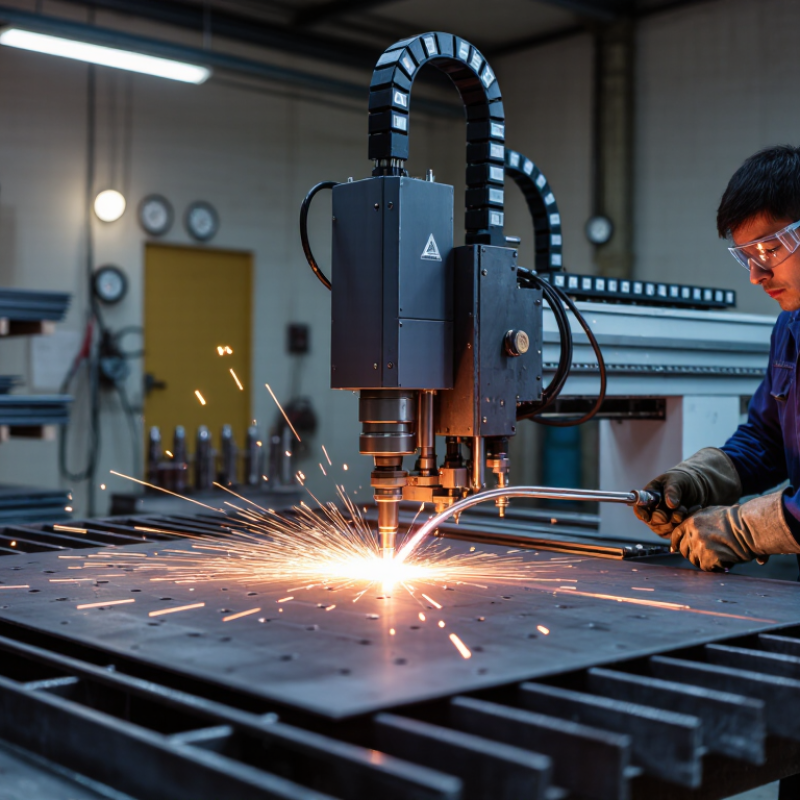
A welding cutting machine combines metal joining and material separation in one workshop system. Its power source creates a controlled electric arc between the torch and the workpiece. For welding, the arc melts the joint and may melt filler wire. Shielding gas protects the hot pool from oxygen and moisture.
For cutting, the machine may use a plasma arc, oxy-fuel flame, or an integrated cutting torch. Plasma systems send compressed air through a narrow nozzle. The arc turns the air into a high-temperature jet, which melts metal and blows the molten material away. A ground clamp completes the electrical circuit. Small details matter. A loose clamp can cause unstable arcs and rough edges.
In practical use, I check material thickness, duty cycle, power supply, and available air pressure before choosing a machine. A unit rated for thin sheet may struggle with thick structural steel. Duty cycle also matters during long jobs; overheating can interrupt production. Early in my workshop experience, I focused too much on maximum amperage. That was a mistake. Cable length, torch comfort, consumable cost, and adjustment accuracy often affect daily results more. Operators should also verify ventilation, eye protection, gloves, and the machine’s technical documentation. Settings still need testing on scrap metal. Real conditions vary.
Cutting capability is one of the most important factors when selecting a welding and cutting machine. The chart shows representative upper-end mild-steel thicknesses for common cutting processes. Actual results depend on material grade, power, consumables, gas settings, and machine configuration.
How it works: Laser cutting uses a focused light beam, plasma cutting uses an ionized gas arc, oxy-fuel cutting uses combustion and oxygen, and waterjet cutting uses a high-pressure abrasive stream. Choose the process according to required thickness, edge quality, cutting speed, heat input, and operating cost.
Material range should guide the purchase, not only advertised cutting speed. The World Steel Association reported about 1.89 billion tonnes of crude steel production in 2023. Stainless and mild steel therefore remain essential workshop materials. The International Aluminium Institute recorded roughly 70.6 million tonnes of primary aluminium production that year. Aluminium needs different settings because it reflects heat and can distort easily. A suitable machine should cut mild steel, stainless steel, aluminium, and, when required, copper. Check the rated thickness for each material, not just the maximum thickness.
Cutting tasks matter just as much. A plasma system suits fast fabrication and thick conductive plates. A fiber laser usually delivers cleaner edges on thin and medium sheet. Oxy-fuel remains useful for heavy carbon steel, but it cannot cut aluminium or stainless steel effectively. Waterjet cutting helps when heat distortion, painted surfaces, or delicate contours create problems. In my workshop trials, a machine that cut 20-millimeter steel slowly produced poor results on 6-millimeter aluminium. I had focused too much on power. That was a mistake.
Tips: List your real materials, thicknesses, daily cutting hours, and required tolerances. Ask for sample cuts using your own metal. Inspect the kerf, bevel, dross, piercing marks, and heat-affected zone. Leave room for maintenance and operator training. A perfect specification sheet can still disappoint on a crowded production floor.
How to Choose a Welding Cutting Machine in 2026?
Choosing a cutting machine starts with the material, not the advertised power. Plasma cutting suits conductive steel, stainless steel, and aluminum. It works quickly and handles medium plate well. Laser cutting offers narrower kerfs and cleaner edges on thinner sheets. Oxy-fuel remains practical for thick carbon steel, but its heat-affected zone is larger. Waterjet cutting avoids thermal distortion, although operating costs and floor space can increase.
Power ratings need careful interpretation. A higher wattage does not always mean better production results. Check the recommended cutting thickness, pierce capacity, duty cycle, and cutting speed. For example, a machine rated for 20-millimeter steel may struggle with repeated piercing at that thickness. Air pressure and gas purity also affect the edge. Small compromises become visible later.
Capacity includes more than maximum thickness. Measure the table size, gantry clearance, material weight, and loading method. A large table is useful only when your workshop can support it. Confirm positional accuracy and extraction performance before buying. I once focused too much on cutting speed and underestimated setup time. That was a costly assumption. Review actual job samples, maintenance access, consumable life, and operator skill. The best choice may be less powerful, but more stable and easier to control.
| Cutting Method | Primary Heat or Cutting Principle | Typical Power or Capacity Range | Practical Mild-Steel Thickness | Materials Commonly Cut | Typical Cutting Speed | Cut Quality and Tolerance | Main Advantages | Main Limitations | Best Fit for 2026 |
|---|---|---|---|---|---|---|---|---|---|
| CNC Fiber Laser | Focused laser beam melts or vaporizes material while assist gas removes the molten metal. | 1–20 kW laser source; common production systems use 3–12 kW. | Approximately 0.5–30 mm, depending on power, material, assist gas, and required edge quality. | Carbon steel, stainless steel, aluminum, brass, copper, and some coated metals. | Very high on thin sheet; commonly about 10–60 m/min on thin carbon steel. | Excellent edge quality; typical positioning accuracy is about ±0.05–0.15 mm on a well-maintained machine. | High precision, narrow heat-affected zone, low kerf width, excellent repeatability, and strong automation potential. | Higher purchase cost; reflective metals require suitable equipment; thick-section cutting can become slower and more expensive. | High-volume sheet-metal production, intricate profiles, automated nesting, and applications where dimensional accuracy is important. |
| CNC Plasma | An electric arc ionizes gas and creates a high-temperature plasma jet that melts and ejects metal. | Approximately 30–400 A; three-phase input is common for industrial systems. | About 1–50 mm for routine production; higher-capacity systems can sever thicker plate at lower speed. | Carbon steel, stainless steel, aluminum, copper alloys, and other electrically conductive metals. | About 1–15 m/min in many production conditions, depending heavily on amperage and thickness. | Good to very good; generally less precise than laser, with a wider kerf and larger heat-affected zone. | Fast, versatile, lower equipment cost than laser for medium and thick plate, and suitable for large-format tables. | Produces fumes, noise, dross, and heat; requires electrical conductivity and may need edge cleanup. | General fabrication, structural steel, repair work, medium-thickness plate, and mixed-material production. |
| Oxy-Fuel Cutting | Fuel gas preheats the steel; a jet of oxygen oxidizes and removes the heated metal. | No electrical cutting power is required; commonly uses oxygen with acetylene, propane, or equivalent fuel gas. | Approximately 6–300 mm; specialized equipment can cut thicker plate at reduced speed. | Primarily carbon steel and low-alloy steel; not suitable for most stainless steel or aluminum. | About 0.2–2 m/min, depending on plate thickness and torch setup. | Fair to good; wider heat-affected zone and lower precision than plasma or laser. | Low equipment cost, portable operation, deep-thickness capability, and simple maintenance. | Slow on thin sheet, substantial heat distortion, limited material compatibility, and fuel-gas safety requirements. | Heavy plate, structural fabrication, demolition, field work, and situations without a large electrical supply. |
| CNC Waterjet | High-pressure water, often mixed with abrasive, erodes the material without applying significant heat. | Approximately 30,000–90,000 psi; pump motors commonly range from about 30–100 hp. | About 1–150 mm for many industrial applications; capability varies with pump pressure and abrasive system. | Steel, stainless steel, aluminum, stone, glass, composites, rubber, and heat-sensitive materials. | Approximately 0.05–2 m/min, depending on thickness, material, nozzle, and required finish. | Very good; no thermal distortion and a narrow kerf, although taper may increase in thick materials. | Cold cutting, broad material compatibility, minimal heat-affected zone, and excellent performance on thick or laminated parts. | Slower than laser or plasma, higher operating cost from abrasive and water treatment, and a larger floor-space requirement. | Aerospace, stone and glass processing, composites, specialty fabrication, and heat-sensitive components. |
| Air Carbon Arc Gouging | An electric arc melts the metal while compressed air blows the molten material away. | Approximately 200–1,600 A, with compressed-air demand commonly around 4–7 bar. | Used for groove depths of roughly 3–25 mm per pass; multiple passes can remove more material. | Carbon steel, stainless steel, cast iron, and many nickel-based alloys. | Material-removal rate varies widely; commonly about 0.3–2 m/min for gouging operations. | Rough initial profile; usually followed by grinding, welding, or machining. | Excellent for weld removal, defect excavation, back-gouging, and heavy repair work. | High noise, smoke, sparks, and operator skill requirements; it is not normally used for precision profiling. | Weld repair, maintenance, shipbuilding, heavy fabrication, and removal of defective weld metal. |
When choosing a welding cutting machine in 2026, inspect its safety design before judging speed or price. Look for a clearly marked emergency stop, thermal overload protection, guarded moving parts, and automatic shutdown after overheating. The control panel should remain readable when gloves are worn. Warning labels must be durable and easy to understand.
Check the machine’s electrical requirements carefully. Confirm input voltage, grounding instructions, duty cycle, and required circuit capacity. A suitable fume extraction system is essential when cutting coated or painted metal. Keep sparks away from gas cylinders, solvents, cardboard, and oily rags.
Small details matter.
Operators need suitable eye protection, flame-resistant clothing, gloves, hearing protection, and stable footwear. The work area should have fresh airflow, a firm floor, and enough space for cables and hot materials.
Inspect the torch, leads, connectors, and earth clamp before every shift. Replace damaged parts instead of taping them temporarily. That shortcut feels harmless, but it can hide a serious fault.
Read the operating manual, follow local workplace requirements, and confirm that workers receive practical training. Test the emergency stop before production begins. Keep a fire extinguisher nearby, but do not treat it as a substitute for housekeeping. I used to focus too much on cutting capacity. Later, I learned that confusing controls and rushed setup create more risk than a slower machine.
A checklist helps, although it will never replace attention.
Choosing a welding cutting machine in 2026 starts with your workspace, not the advertised power.
MarketsandMarkets valued the global welding equipment market at about USD 16.7 billion in 2024, reflecting strong demand for versatile equipment. Yet growth does not mean every machine suits a small workshop. Measure the doorway, bench depth, ventilation path, and available electrical supply. A compact inverter may fit a garage better than a larger industrial unit.
Check its duty cycle at your actual amperage. A “60% duty cycle” can still mean frequent cooling breaks during thick-plate work.
Set a total budget, not only a purchase price.
Include torches, leads, gas equipment, extraction, protective screens, consumables, and maintenance. The American Welding Society has projected a U.S. shortage of roughly 330,000 welding professionals by 2026. That makes simple controls and reliable training features more valuable, especially for smaller teams.
Choose capacity from your regular work, not your biggest possible project. For occasional steel repairs, a machine rated around 200 amps may be practical. For repeated heavy fabrication, reserve extra capacity and confirm the site can support it.
I would still recheck the electrical load with a qualified technician; early estimates are often too optimistic. Leave room for cables and airflow.
Small details matter. A machine that blocks a walkway creates daily frustration, even when its specifications look impressive.