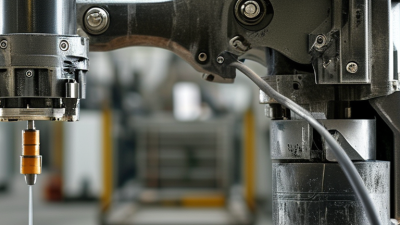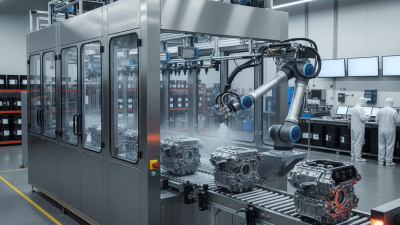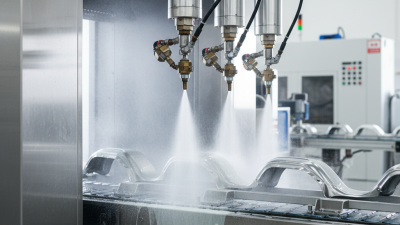
Choosing the right Spray Coating Machine can reshape how a business handles quality, labor, and production pressure. The decision is not only about spraying faster. It is about creating a repeatable finish on every panel, frame, cabinet, or manufactured part.
A suitable machine can deliver an even coating across complex surfaces. It can reduce visible streaks, uneven edges, and unnecessary material waste. In a busy workshop, this difference becomes practical. Operators spend less time correcting defects. Production schedules become easier to manage. The coating booth stays more consistent.
Dr. Robert E. Schick, a recognized spray-technology specialist, offers a useful principle: “Transfer efficiency is the quiet measure of a spray process.” That idea matters when comparing equipment. A machine may look powerful, yet still waste coating through overspray or poor atomization. Real performance depends on nozzle selection, pump control, air pressure, material viscosity, and operator training.
There is no universal machine for every business. Some companies need robotic accuracy. Others need a compact system for short production runs. A solvent-based coating, water-based finish, or high-solid material may demand different settings. Testing is essential.
Small details matter.
For example, a stable spray pattern can prevent a dark band along a cabinet edge. A controlled pump can reduce interruptions during a long shift. However, automation does not remove responsibility. Machines still require cleaning, calibration, ventilation, and sensible maintenance.
The choice should be based on measurable needs, not impressive specifications alone. Reviewing transfer efficiency, coating consistency, maintenance time, and return on investment creates a more reliable decision. Even experienced teams can misjudge the workload. That is why practical trials often reveal more than a brochure.
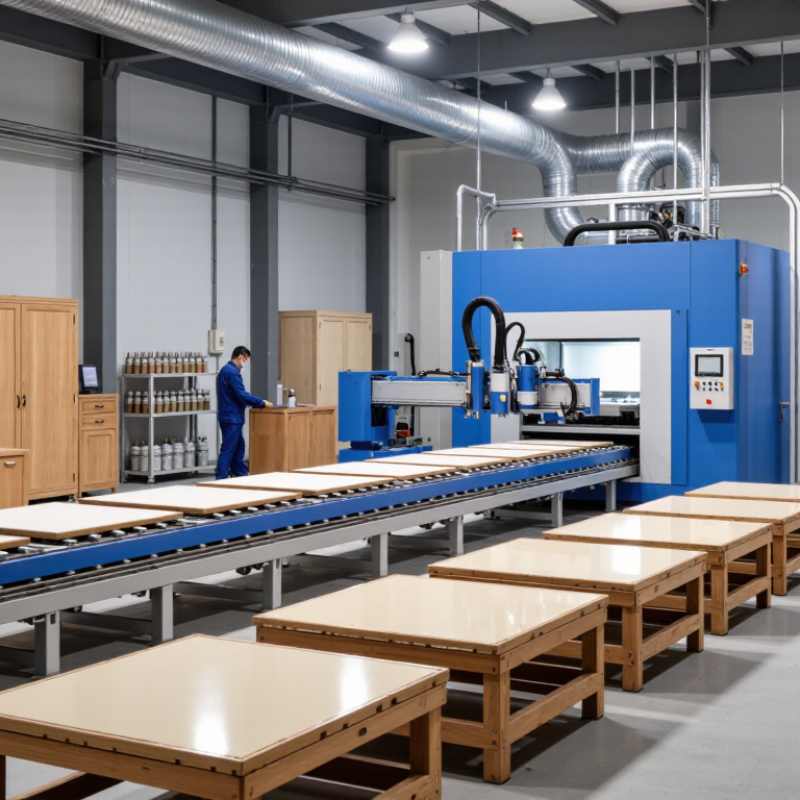
A spray coating machine is equipment that applies paint, lacquer, powder, or protective material through controlled atomization. It breaks liquid coating into fine droplets and directs them onto a surface. Common systems include air spray, airless, and air-assisted airless machines. Each method suits different viscosities, finishes, and production speeds.
In a workshop, the machine controls pressure, flow, and spray width more consistently than a hand brush. This helps cover steel frames, wood panels, vehicle parts, and irregular surfaces. Grand View Research valued the global paints and coatings market at approximately USD 206.56 billion in 2023. That demand encourages manufacturers to improve application efficiency and reduce material waste. Still, a machine cannot correct poor preparation. Dust, moisture, or incorrect viscosity can create rough patches and runs. I have seen a perfect spray pattern fail because the surface was simply not clean enough.
Tips: Test the coating on scrap material first. Record pressure, nozzle size, distance, and drying time. Keep the spray gun about 15–25 centimeters from the surface. Move steadily, with each pass slightly overlapping. The U.S. Environmental Protection Agency identifies transfer efficiency as a key factor in reducing overspray and emissions. A practical setup may save coating, but results can vary with temperature, operator skill, and material chemistry. There is no universal setting.
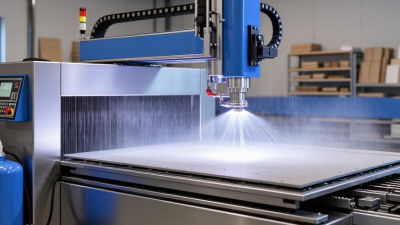
Why Choose a Spray Coating Machine for Your Business?
How Does a Spray Coating Machine Work?
A spray coating machine transfers liquid coating from a tank to a controlled spray gun. A pump creates steady pressure, while the nozzle breaks the liquid into fine droplets. These droplets form a consistent layer across the product surface. Some systems use compressed air, while others rely on airless pressure. The correct method depends on coating thickness, material viscosity, and surface shape.
The process usually begins with cleaning and positioning the workpiece. A conveyor or fixture keeps each item at a stable distance from the nozzle. During spraying, the gun moves at a controlled speed and overlaps each pass slightly. This movement helps prevent stripes, thin patches, and heavy edges. Flow rate, atomizing pressure, and nozzle size require careful adjustment. Small changes matter.
After application, the coated item enters a drying or curing area. Heat, airflow, or time allows the coating to develop its final properties. In practical production, operators often inspect a test piece before running a full batch. Even a well-calibrated machine can miss corners or recesses. That is where experience remains important. A machine improves repeatability, but it does not replace judgment. Overspray can also appear when the nozzle sits too far away. Waste happens. Regular cleaning, filter checks, and thickness measurements help maintain stable results.
| Process Stage | How the Spray Coating Machine Works | Typical Data or Operating Range | Business Benefit | Key Control Factor |
|---|---|---|---|---|
| 1. Surface Preparation | Removes oil, dust, moisture, rust, and loose material so the coating can bond consistently to the substrate. | Surface cleanliness: clean and dry before application; abrasive-blasted steel is commonly prepared to an agreed visual cleanliness grade. | Reduces premature peeling, blistering, and uneven coverage. | Cleaning method, surface profile, humidity, and substrate temperature. |
| 2. Material Conditioning | The pump or pressure pot delivers coating material at a controlled flow rate. The material may be mixed, filtered, or viscosity-adjusted before spraying. | Viscosity: commonly measured in seconds, centipoise, or millipascal-seconds; the correct value is specified by the coating manufacturer. | Improves atomization, finish quality, and repeatability between production batches. | Material temperature, mixing ratio, pot life, filtration, and viscosity. |
| 3. Atomization | The spray gun breaks liquid coating into fine droplets using compressed air, high fluid pressure, or a combination of both. | Common methods: conventional air spray, HVLP, airless, and air-assisted airless. HVLP systems generally use lower atomizing air pressure than conventional air spray. | Allows the operator or automated system to match spray performance to the coating and part shape. | Nozzle size, fluid pressure, atomizing air pressure, and coating viscosity. |
| 4. Spray Application | The spray pattern is directed across the part in overlapping passes. Automated machines can control gun distance, angle, speed, and path. | Gun distance: often approximately 150–300 mm for manual air spray, subject to equipment and coating instructions. Overlap is commonly set near 50% to help avoid striping. | Provides more uniform coverage and lowers dependence on manual technique. | Gun distance, travel speed, spray angle, overlap, and part positioning. |
| 5. Film Thickness Control | The machine applies a controlled quantity of coating to build the required dry film thickness after solvent or water evaporation and curing. | Typical industrial target: approximately 25–75 micrometres dry film thickness per coat for many protective coating applications, although specifications vary widely. | Helps prevent thin spots, excessive material use, rework, and non-compliance with coating specifications. | Wet film thickness, solids content, flow rate, and number of coats. |
| 6. Transfer Efficiency | Transfer efficiency is the percentage of coating solids that reaches the part instead of becoming overspray or waste. | Indicative range: approximately 20–40% for conventional air spray and about 50–65% for many HVLP applications; actual performance depends on setup and operator technique. | Higher transfer efficiency can reduce coating consumption, disposal costs, and booth loading. | Spray technology, booth airflow, gun adjustment, coating viscosity, and operator technique. |
| 7. Flash-Off and Curing | After spraying, solvents or water leave the film, followed by physical drying or chemical curing depending on the coating technology. | Drying time: may range from minutes to several hours; two-component and heat-cured systems require their specified temperature, humidity, and time conditions. | Supports faster production turnover while protecting final adhesion and hardness. | Air movement, temperature, relative humidity, film thickness, and coating chemistry. |
| 8. Quality Inspection | Operators or sensors check appearance, coverage, adhesion, and film thickness before the part is released. | Common checks: wet film thickness during application; dry film thickness after curing; visual inspection for runs, sags, pinholes, and dry spray. | Detects defects early and improves batch-to-batch consistency. | Inspection frequency, calibrated gauges, lighting, and acceptance criteria. |
| 9. Cleaning and Maintenance | Fluid lines, filters, nozzles, and spray guns are cleaned to prevent blockages and maintain consistent atomization. | Routine actions: clean after each material change, inspect seals and hoses, and replace worn nozzles according to performance and condition. | Extends equipment life, reduces downtime, and protects spray quality. | Cleaning procedure, solvent compatibility, filter condition, and preventive-maintenance schedule. |
Spray coating machines serve many industries because they deliver consistent coverage across complex surfaces. In automotive manufacturing, they apply protective and decorative layers to body panels, wheels, and interior components. Aerospace suppliers use controlled spraying for selected aircraft parts, where thickness and surface preparation require strict inspection. Small variations can matter.
Furniture manufacturers coat cabinet doors, wooden panels, and metal frames with fewer visible brush marks. Appliance factories spray refrigerators, washing machines, and ovens for durable finishes. Construction companies also use these systems on structural parts, fixtures, and protective components exposed to moisture. In electronics production, specialized equipment may coat housings and selected assemblies, but material compatibility must be verified carefully. The machine is not magic.
Tips: Match the spray system with the coating’s viscosity, drying method, and required finish. Test a small batch before full production. Check nozzle wear, air pressure, and coating thickness during each shift. Keep records of temperature and humidity. These details often explain unexpected defects. Operators should also inspect corners and recessed areas, where coverage can become uneven. Automation improves repeatability, yet trained supervision remains necessary. A poorly adjusted machine can waste material quickly. For some low-volume workshops, manual spraying may still be more practical. That choice deserves honest review.
A spray coating machine can make production more consistent across daily orders. It applies a controlled layer over panels, parts, or finished products. Operators can adjust spray pressure, nozzle size, and travel speed for different materials. This control helps reduce uneven coverage, visible streaks, and costly rework.
The business benefits are practical. Faster application can increase output without adding another full production shift. More accurate spraying may also reduce material waste, especially when coatings are expensive. Workers spend less time repeating manual passes and more time checking surface quality. In a busy workshop, that difference can protect delivery schedules. Cleaner application areas may also support safer, more organized working conditions when ventilation and protective procedures are properly maintained.
There is a learning curve. Setup, cleaning, and calibration still require attention. Poor settings can create overspray or weak coverage. That is not a machine failure alone. It often reflects rushed training or neglected maintenance. I have found that simple checklists help: inspect the nozzle, test a small sample, and record the settings. A machine may improve productivity, but it cannot replace skilled judgment. Small mistakes remain possible. Careful monitoring keeps them from becoming expensive habits.
Typical coating transfer efficiency by application method. Higher efficiency can reduce overspray, material waste, and operating costs.
Source: U.S. Environmental Protection Agency (EPA) guidance on coating application methods. Actual performance varies by equipment, coating material, operator technique, and application conditions.
Choosing a spray coating machine starts with the coating, not the machine’s appearance. Identify the material’s viscosity, solids content, curing method, and required finish. A thin protective layer needs different control from a textured industrial coating. Measure twice.
Production volume also matters. A small workshop may need a compact unit with simple adjustments. A busy line may require automatic flow control, stable air pressure, and a wider spray pattern. Test the machine using your actual coating and substrate. A sample panel can reveal uneven coverage, excessive overspray, or poor adhesion before installation.
Check nozzle options, pump capacity, cleaning time, and spare-part availability. Ask how quickly operators can learn the controls. Clear instructions reduce mistakes during shift changes. Safety features, ventilation compatibility, and documented operating procedures should be verified against local requirements. Do not judge performance from a short demonstration alone. Run a realistic trial at the planned conveyor speed and measure coating thickness after curing. The cheapest machine can become expensive when it wastes material or stops production. Leave room for error. In practice, initial assumptions are often wrong, especially when temperature changes the coating’s flow. Choose a system that allows practical adjustments, records results, and can grow with your workload.