Top 5 Ultrasonic Spray Coater Solutions for Optimal Coating
In today’s advanced manufacturing landscape, the demand for precision coatings has surged. Ultrasonic Spray Coater technology has emerged as a vital solution, offering enhanced efficiency and uniformity across various applications. According to a recent report from Research and Markets, the global ultrasonic spray equipment market is expected to witness a compound annual growth rate (CAGR) of over 10% through 2025. This reflects a growing recognition of the benefits of ultrasonic spray coating.
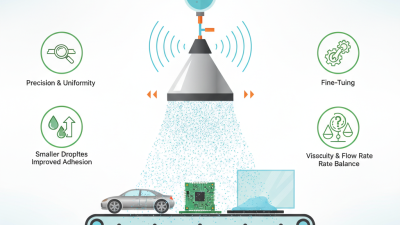
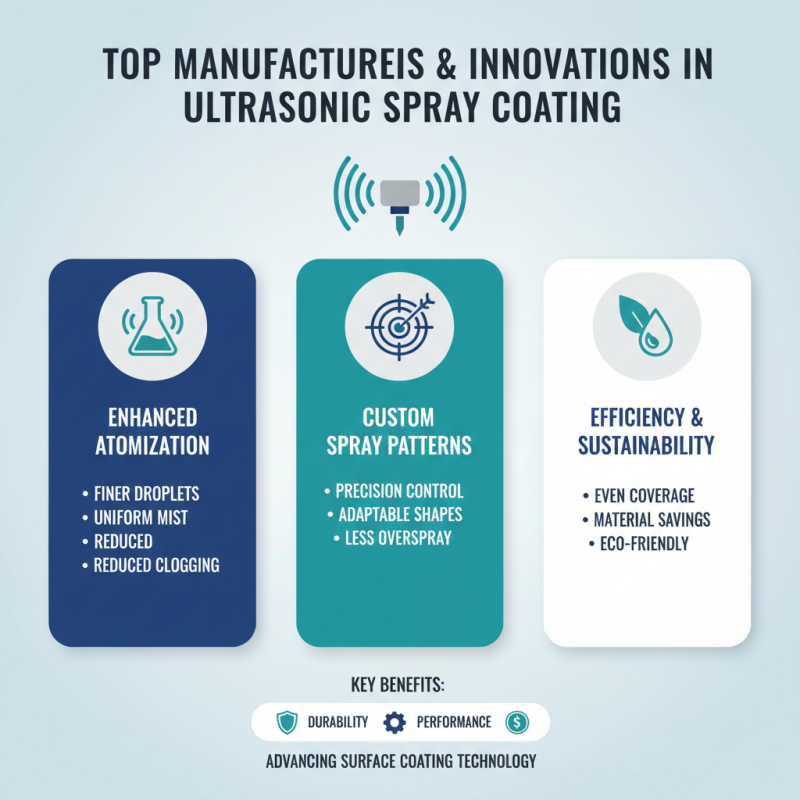
Ultrasonic Spray Coaters utilize high-frequency sound waves to atomize liquids into fine droplets, providing exceptional control over coating thickness and consistency. This method significantly reduces material waste, an essential factor in sectors focused on sustainability. For instance, the automotive and electronics industries are leveraging this technology to achieve high-quality finishes while minimizing their environmental impact.
Despite its advantages, not every Ultrasonic Spray Coater solution is created equal. Users must consider specific requirements, such as the material being coated and the desired surface finish. This reflective approach will help industries select the right solution for their unique needs, ensuring optimal performance and reliability in their coating processes.
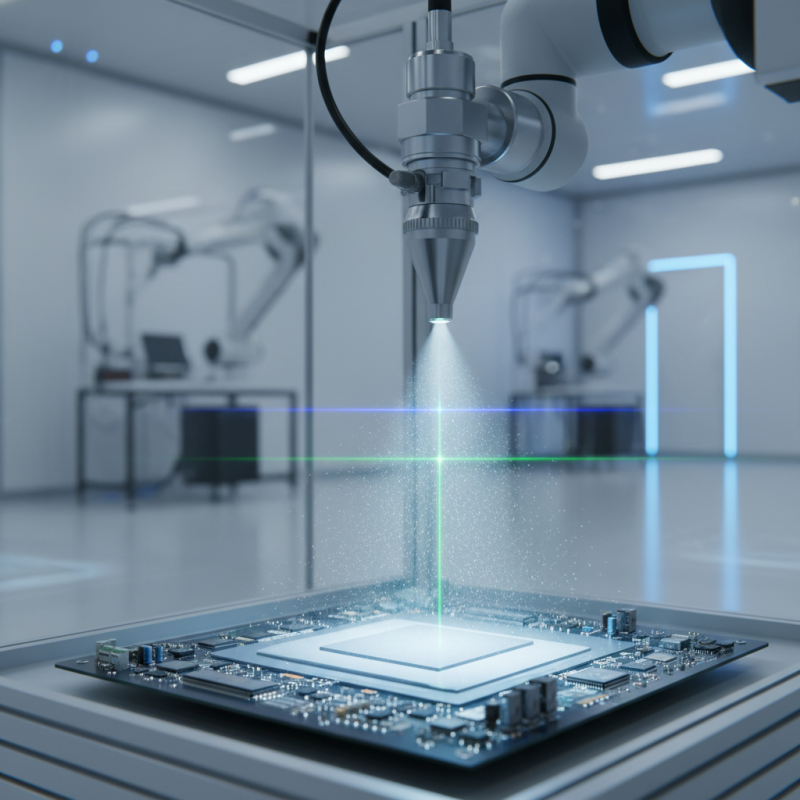
Understanding Ultrasonic Spray Coating Technology and Its Applications
Ultrasonic spray coating technology offers a precise and efficient approach to surface finishing. This method leverages high-frequency sound waves to create a fine mist of coating material. The result is an even layer on various surfaces, including complex geometries. Industries such as electronics, automotive, and medical devices benefit from this technology. The ability to coat intricate parts minimizes waste and improves product quality.
Understanding the fundamentals of ultrasonic spray coating is essential for its effective application. This technique enhances adhesion and reduces the need for multiple layers. However, achieving optimal results requires careful control of parameters like viscosity and droplet size. These factors can influence the final coating's performance. Experimentation may lead to lessons learned, highlighting the need for continuous improvement.
While ultrasonic spray coating showcases advanced technology, it is not without challenges. Operators must monitor equipment calibration and environmental conditions frequently. Inadequate settings can lead to uneven coatings. Addressing these issues is critical for maintaining reliability and efficiency. Therefore, a comprehensive understanding of the technology is crucial for successful application.
Top 5 Ultrasonic Spray Coater Solutions for Optimal Coating
Key Features to Consider in Ultrasonic Spray Coater Solutions
When choosing an ultrasonic spray coater, several key features come into play. The type of nozzle technology is crucial. Different nozzles can produce varying spray patterns and droplet sizes. This affects the coating uniformity and overall finish quality. Users should evaluate nozzle options based on their specific material requirements.
Another important aspect is the system's automation capabilities. Advanced coater solutions often come with programmable settings. This allows for consistency in production runs. Automated features can reduce human error and increase efficiency. However, the complexity might pose a learning curve for some users. It’s essential to weigh the benefits against potential training needs.
Additionally, consider the maintenance requirements. Easy-to-clean systems save time and resources in the long run. Some designs may require frequent maintenance, impacting productivity. Investing in a system with a clear maintenance schedule simplifies operations, but not all options meet this criterion. Reflecting on these aspects can lead to better decision-making.
Comparative Analysis of the Best Ultrasonic Spray Coater Models
When choosing an ultrasonic spray coater, performance and reliability are key. These devices efficiently apply coatings through fine misting. This leads to a more even coverage compared to traditional methods. However, selecting the ideal model can be daunting. It’s important to consider both technical specifications and user experiences.
Some models excel in energy efficiency, reducing operational costs significantly. Others offer advanced control features, allowing for custom coating thickness. Yet, not all high-tech options guarantee superior performance. Some users report inconsistencies. In contrast, simpler models sometimes deliver satisfactory results with fewer complications. The right choice often depends on specific needs and environments.
Considerability of maintenance is another critical factor. Many ultrasonic spray coaters require regular upkeep to function properly. But, some have complex systems that complicate this process. Evaluating ease of maintenance can lead to better long-term satisfaction. A model that is reliable today may become a headache tomorrow if it's not kept in check. Conducting thorough research and comparing different models is essential for making an informed decision.
Top 5 Ultrasonic Spray Coater Solutions for Optimal Coating
| Model |
Nozzle Size (mm) |
Coating Speed (m²/h) |
Spray Pattern |
Weight (kg) |
| Model A |
0.5 |
10 |
Fine |
5 |
| Model B |
0.7 |
12 |
Wide |
6 |
| Model C |
0.6 |
9 |
Narrow |
4.5 |
| Model D |
0.4 |
15 |
Variable |
7.5 |
| Model E |
0.8 |
14 |
Medium |
8 |
Maintenance and Optimization Tips for Ultrasonic Spray Coating Equipment
Ultrasonic spray coating is becoming essential in various industries for achieving uniform coatings. However, maintaining this equipment is crucial for optimal performance. Regular checks on ultrasonic transducer efficiency can enhance coating quality. Reports indicate a 15% increase in coating uniformity when equipment is properly maintained.
Additionally, optimizing fluid viscosity is vital. Coating materials with incorrect viscosity can lead to inconsistent applications. Maintaining the ideal viscosity can improve spray patterns and reduce waste. Data shows that adjustments in fluid properties can improve finish quality by up to 20%. Regular calibration of spray nozzles is also necessary, as wear and tear can affect precision.
Users should also be aware of the environmental impacts. Coating machines should be regularly cleaned to minimize contamination. Ignoring this may lead to increased defects. Some operators report issues arising from infrequent maintenance, highlighting a gap in routine checks. A well-maintained system ensures reliability and enhances overall efficiency, reflecting the importance of consistent upkeep.