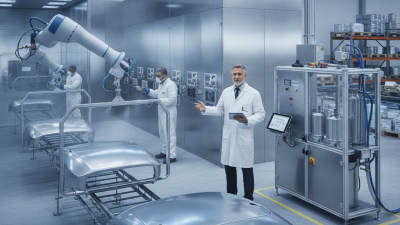
Top Spray Equipment And Coatings for Your Business Needs?
In the rapidly evolving industry of Spray Equipment and Coatings, businesses seek reliable solutions tailored to their needs. Industry expert, John Miller, once stated, "Choosing the right spray equipment is key to achieving efficient and high-quality results." His insights emphasize the importance of selecting the appropriate tools for specific applications.
Understanding your business requirements is crucial. Spray Equipment and Coatings vary in type and function, impacting your end result. For instance, selecting an airless sprayer for thicker coatings can enhance application quality, while HVLP systems suit thinner materials. However, not every option is perfect for every scenario.
Investing in advanced equipment can improve productivity and reduce waste. Yet, some businesses may overlook maintenance, leading to potential setbacks. By reflecting on equipment performance and user training, companies can optimize their operations within the Spray Equipment and Coatings industry.
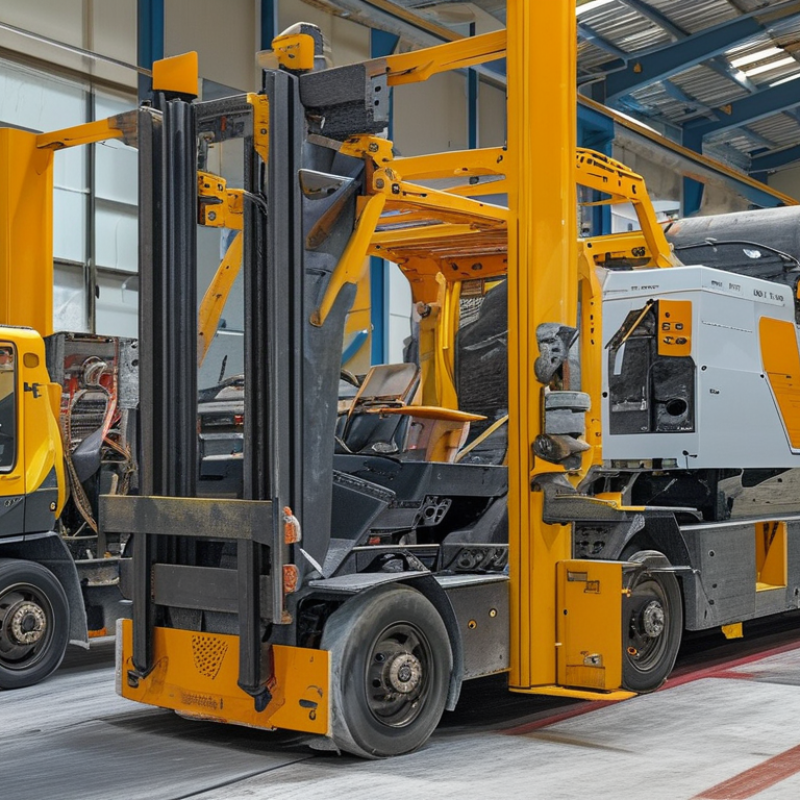
Types of Spray Equipment for Various Industries
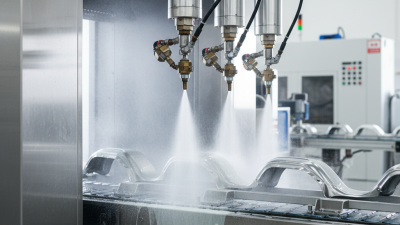
Spray equipment comes in various types, tailored for specific industrial needs. In manufacturing, airless spray systems excel. They deliver high efficiency and uniform coverage for large surfaces. Many professionals prefer these systems for their speed and reliability. However, they can sometimes lead to overspray, which requires careful management.
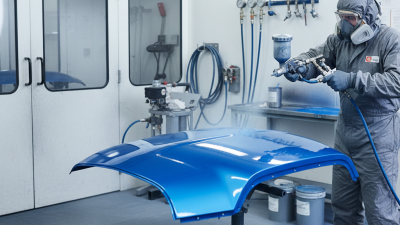
In automotive industries, electrostatic spray guns are gaining popularity. These guns use electric charge to attract paint particles to the surface. This technique minimizes waste and improves transfer efficiency. Yet, users must be aware of potential issues with paint adhesion on certain materials. A thorough understanding of material compatibility is key.
Construction often relies on air-assisted spray systems. These systems utilize both air pressure and fluid mechanics to achieve a fine finish. They work well with heavy coatings, making them ideal for large structures. Yet, they can be challenging to operate, especially for those new to spraying. Training can reduce mistakes and improve outcomes considerably.
Key Considerations for Choosing Spray Equipment
When choosing spray equipment for your business, consider several crucial factors. The type of materials you'll spray can heavily influence your decision. Different coatings require specific nozzles, pressures, and application techniques. Understanding your material needs helps streamline your search for the right equipment.
Another essential factor is the scale of your projects. Larger operations may demand industrial-grade sprayers. These tools often handle higher volumes and offer more durability. However, they can be more challenging to manage. Smaller jobs could call for portable, user-friendly models. Balancing efficiency and ease of use can be tricky and requires thorough evaluation.
Don’t overlook maintenance and support. Ensuring your equipment has easy-to-access repair services can save time and money. Additionally, user training remains vital. Well-trained staff can lead to better application results and increase productivity. However, not all operational teams are created equally; frequent training may be necessary to keep skills sharp. Identifying suitable equipment requires careful consideration, as the wrong choice can lead to wasted resources and unsatisfactory results.
Popular Coating Types and Their Applications
When selecting coatings for your business, understanding their types and applications is vital. Epoxy coatings are widely used in industrial settings. They are known for their strong adhesion and chemical resistance. A report by the National Association of Corrosion Engineers shows that epoxies can increase the lifespan of equipment by 50% when used correctly.
Polyurethane coatings offer flexibility and durability. They are ideal for outdoor applications. According to a market analysis by ResearchAndMarkets, the demand for polyurethane coatings is expected to grow at a CAGR of 5.2% through 2027. This is largely due to their ability to withstand harsh weather conditions and UV exposure.
Acryclic coatings are also gaining popularity. They dry quickly and are easy to apply, making them suitable for various surfaces. However, they may not provide the same level of durability as epoxies or polyurethanes. Data suggests that businesses should carefully consider the specific environmental conditions of their operations. Understanding the nuances of each coating type can lead to better decision-making and ultimately enhance operational efficiency.
Maintenance Tips for Spray Equipment Longevity
Maintaining spray equipment is crucial for optimal performance. Regular cleaning is essential. Residues can build up and hinder functionality. Use warm water and appropriate solvents for effective cleaning. Make it a habit to clean equipment immediately after use. This simple step can prevent significant issues down the line.
Storage conditions matter too. Keep spray guns in a dry, cool place. Exposure to moisture can lead to corrosion. Inspect your equipment regularly. Look for signs of wear and tear. Early detection can save costs and extend lifespan. Conducting routine maintenance checks can be a tedious task, but it pays off.
Don’t forget about the importance of calibration. Properly calibrated equipment ensures an even application of coatings. Misalignment can result in uneven finishes. Ensuring your equipment functions correctly requires attention and adjustments. It may feel overwhelming at times, but small efforts lead to better outcomes. Make it part of your routine. Your investment in maintenance will ultimately reflect in your work quality.
Innovations in Spray Technology and Coating Solutions
Innovations in spray technology have transformed various industries. The global spray equipment market is projected to reach USD 7.25 billion by 2026. This growth reflects advancements in efficiency and application techniques. High-efficiency airless spray guns have gained popularity. They reduce overspray and improve coverage, leading to material savings. Companies are also adopting automated spray systems, which streamline processes and minimize labor costs significantly.
New coatings offer even more possibilities. Eco-friendly options minimize environmental impact without sacrificing performance. According to a recent study, water-based coatings now account for around 40% of the market share in coating solutions. They are safer and provide excellent adhesion. However, companies face challenges in application consistency and drying times, which require careful monitoring.
Consider testing different coatings to find the best fit for your projects. Always factor in the environmental impact when selecting materials. Continuous training on new spray technologies can enhance your team's efficiency. Regularly review your equipment to identify areas for improvement or upgrade opportunities. Embracing these innovations can firmly position your business for future success.