What is a Spray Coating Machine and How Does it Work?
A Spray Coating Machine is an essential tool in various industries. Its main function is to apply a uniform layer of coating on different surfaces. Understanding how it works can help unlock its potential.
Spray coating involves specific techniques and technologies. The machine uses a nozzle to disperse liquid coating material. This results in a fine mist that evenly coats items. Many users appreciate the efficiency it brings, but some may struggle with setup and precision.
Choosing the right coating material is crucial. Each type has unique properties. Mistakes in selection can lead to poor results. Users need to reflect on their choices to achieve desired outcomes. Overall, a Spray Coating Machine can enhance productivity, but careful attention is required for optimal use.
What is a Spray Coating Machine?
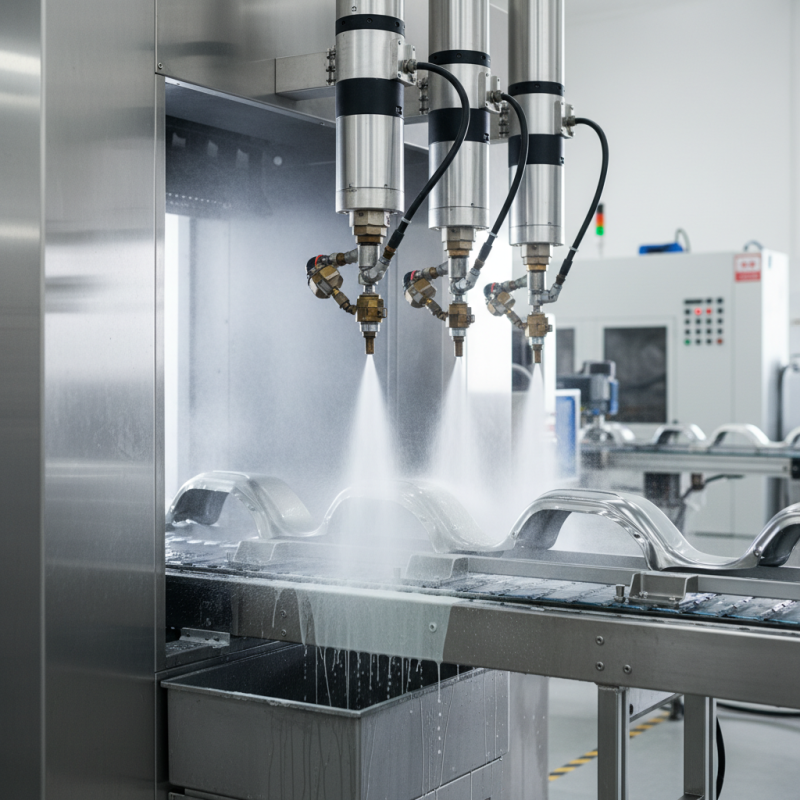
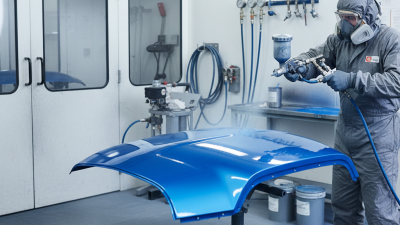
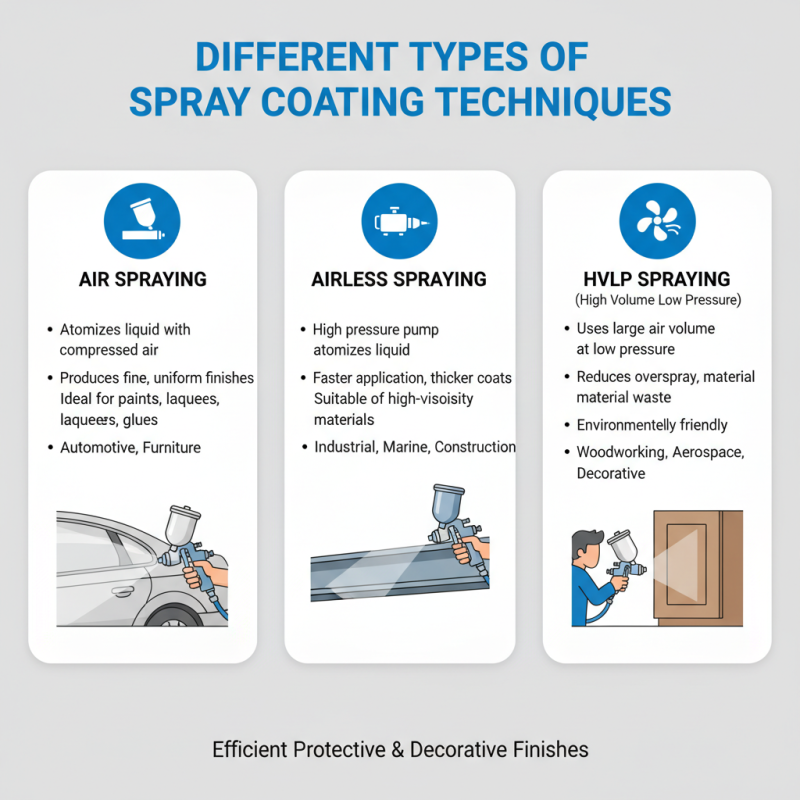
A spray coating machine is a device used to apply a protective or decorative layer to various surfaces. It utilizes compressed air or mechanical pumps to atomize liquid coatings into fine particles. These particles are then uniformly sprayed onto items ranging from metal parts to wooden furniture. The result is a smooth and even finish.
When using a spray coating machine, it's important to maintain consistent distance while spraying. Too close can cause drips, while too far may lead to uneven coverage. Experiment with different distances to find what works best with your materials.
Tip: Always prepare the surface before spraying. Clean it thoroughly to remove dust or grease. This will improve adhesion and finish quality. It's also wise to wear proper protective gear, including masks and goggles.
Some operators may overlook the importance of testing the spray pattern. A quick test on scrap material can save time and materials. If the pattern is uneven, adjust the nozzle or pressure settings. Small adjustments can lead to significant improvements.
Spray Coating Machine Performance
This chart shows the coating thickness achieved by different spray coating machines. The data indicates the effectiveness of each machine in applying a coating of a specific thickness, measured in microns.
Key Components of a Spray Coating Machine
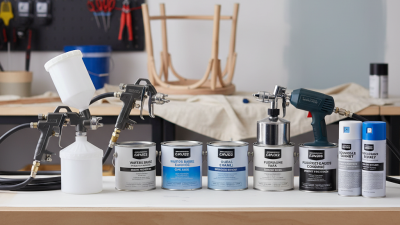
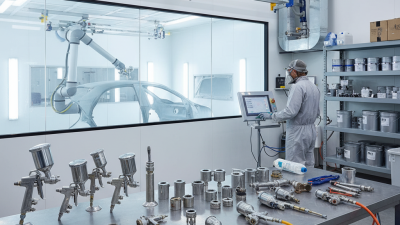
A spray coating machine is an innovative tool widely used in various industries. To understand its operation, it’s essential to explore its key components. The heart of this machine often lies in its spray gun. This component atomizes the coating material, creating a fine mist that adheres to surfaces. The design of the spray nozzle is crucial. It affects the spray pattern and the coverage area. An inappropriate nozzle can lead to uneven application.
Another vital part is the air compressor. It provides the necessary air pressure to propel the coating material. If the compressor fails, the entire process can be halted. That disrupts workflow and may lead to excess costs. A reliable compressor ensures a steady spray, enhancing the overall finish quality. Additionally, the paint supply system should be acknowledged. It holds and delivers the coating material. Any blockage can cause delays and frustrations.
Considering these components invites reflection. Each part, while significant, has its potential flaws. A poorly maintained spray gun can result in overspray and waste. Users must regularly inspect and clean all components to maintain efficiency. This reflects the balance required in using spray coating machines. Constant vigilance is necessary to achieve desired results. Each detail matters in the pursuit of perfection in coating applications.
What is a Spray Coating Machine and How Does it Work? - Key Components of a Spray Coating Machine
| Component |
Description |
Function |
| Spray Gun |
A device that atomizes the coating material into fine droplets. |
Delivers a uniform coating on the surface. |
| Compressor |
Provides compressed air to the spray gun. |
Aids in atomization and delivery of the coating material. |
| Hopper |
Container that holds the coating material. |
Supplies the coating material to the spray gun. |
| Control System |
Electronic system that controls spray parameters. |
Ensures precision in coating application. |
| Nozzle |
Exit point for air and coating material. |
Determines the spray pattern and droplet size. |
How Spray Coating Machines Operate
Spray coating machines are fascinating tools in the coating industry. These machines use compressed air to atomize the paint, creating a fine mist. This mist is then directed onto surfaces to create a uniform layer. A skilled operator can control the spray pattern and coating thickness, which is essential for quality results. However, achieving the perfect application can be challenging. Factors like distance, speed, and nozzle size play crucial roles.
The operation of these machines involves several key components. There’s a pump that feeds the coating material, and a spray gun that atomizes it. Operators must choose the right settings for different materials, as each reacts differently. Inconsistent spray patterns can lead to drips or uneven surfaces. This is where practice becomes critical. Mistakes can occur, but they are valuable learning opportunities.
Another aspect to consider is the maintenance of these machines. Clogged nozzles and worn-out parts can affect performance. Regular cleaning and inspection are necessary to ensure smooth operation. This can be tedious, but it's essential. A machine in poor condition will yield subpar results and frustrate operators. Proper care is an ongoing responsibility that can be easily overlooked.
Applications and Benefits of Spray Coating Machines
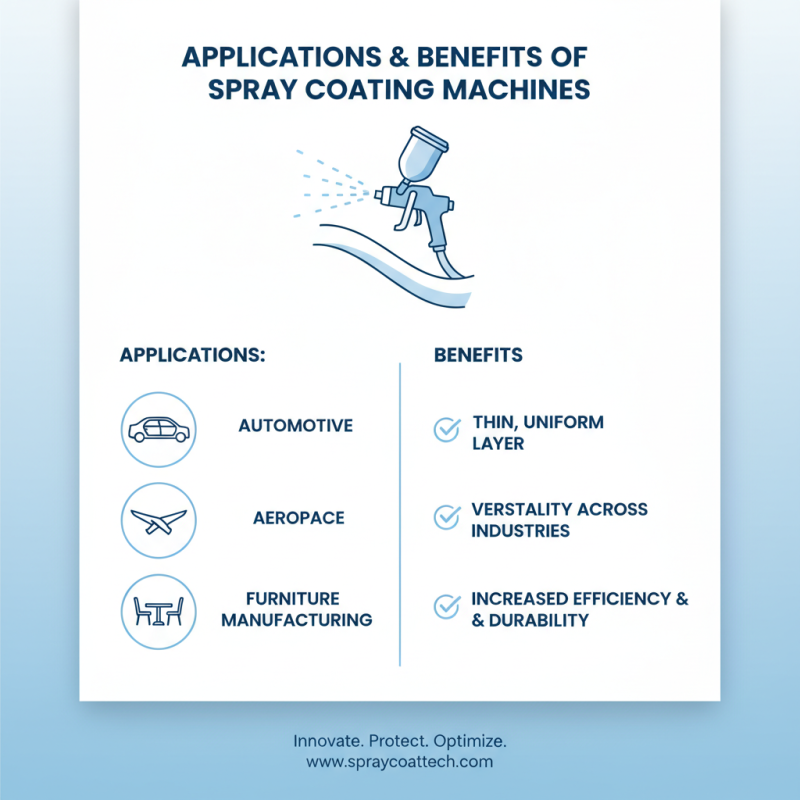
Spray coating machines are versatile tools used in various industries. They apply a thin layer of material onto surfaces. This process can be found in automotive, aerospace, and furniture manufacturing. The benefits of using these machines are numerous.
One key application of spray coating is in automotive production. Vehicles require a smooth finish with durable protection. Spray coating machines ensure even and consistent coverage. They also reduce waste by minimizing excess material. In the furniture industry, these machines help create a flawless look on cabinets and tables.
Despite their advantages, challenges exist. Setting the right pressure and distance is crucial. Too much pressure can lead to overspray, affecting the finish. Additionally, selecting the right coating material is a task that requires careful thought. Different surfaces may react unpredictably to certain coatings. These reflections on the machine’s use can guide improvements in processes and results.