How to Choose the Best Spray Machine Parts for Your Needs?
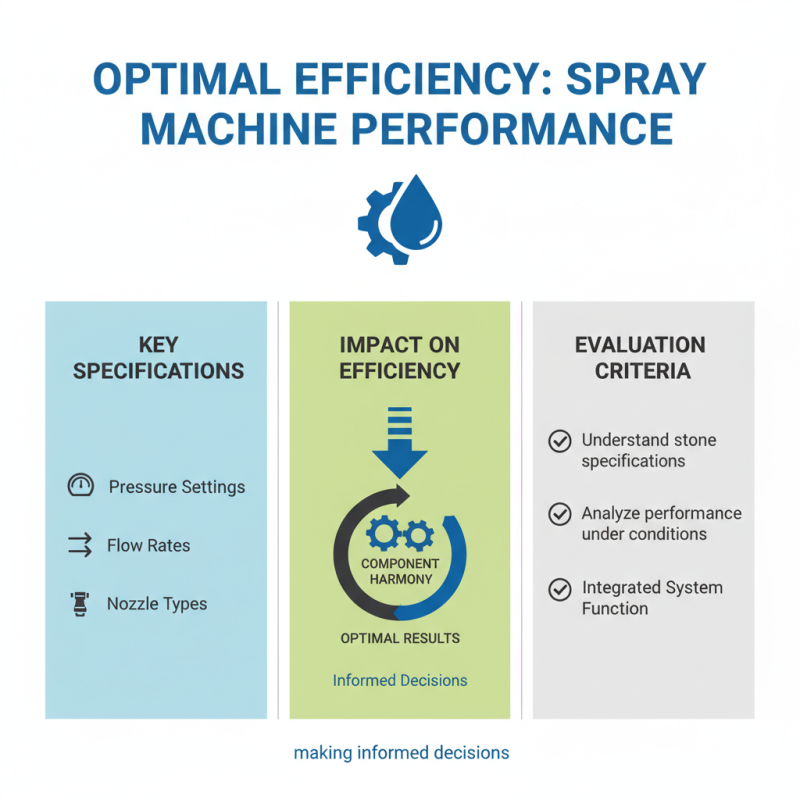
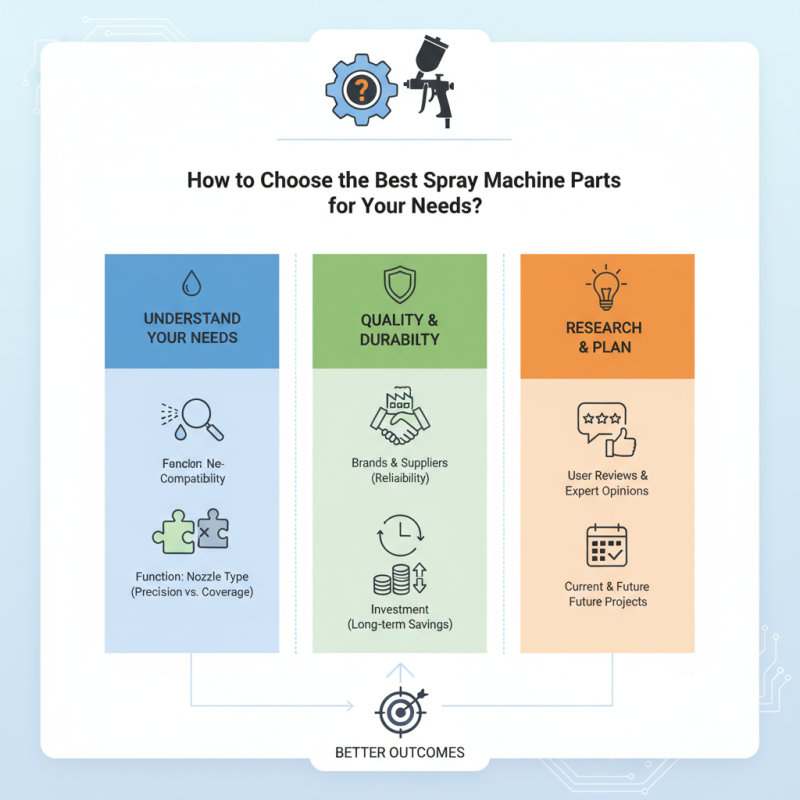
Choosing the right spray machine parts can significantly impact your efficiency and results. With numerous options in the market, it’s vital to understand your specific needs. Quality spray machine parts enhance performance and durability, making your investment worthwhile.
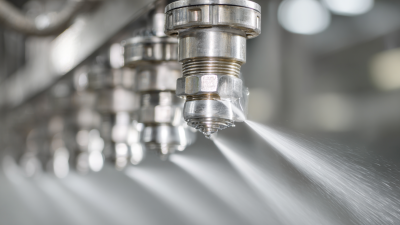
Consider the function of each component. For instance, the nozzle type affects spray pattern and coverage. High-quality nozzles can provide precision and reduce overspray. Moreover, ensure compatibility with your machine. Mismatched parts can lead to suboptimal performance and higher maintenance costs.
Evaluate brands and suppliers carefully. Trusted manufacturers typically offer reliable products. Look for warranties and customer support. Sometimes, cheaper parts fail quickly, resulting in frustration. Research user reviews and expert opinions. This can guide you to sound decisions. Your choices must reflect both current and future projects. This reflective approach will lead to better outcomes in the long run.
Understanding Different Types of Spray Machines and Their Applications
When selecting the right spray machine, understanding the various types available is crucial. There are
airless, HVLP (High Volume Low Pressure), and electrostatic spray machines. Each type serves specific purposes.
Airless sprayers provide high pressure, ideal for large areas. HVLP systems deliver a fine finish, suitable for detailed work.
Electrostatic machines excel in painting metals, offering better coverage.
When choosing, consider the intended application. Will you spray large surfaces or intricate designs? Factor in the material you’re working with as well.
Different materials may require different spray techniques. Always test on a small area first to ensure compatibility and desired results.
Tips: Know your project scale. If you're handling extensive areas, an
airless machine may save you time. For smaller jobs, an
HVLP model offers precision. Don't overlook maintenance, as clean parts lead to better performance.
Regularly check for wear and tear, replacing parts as necessary to maintain quality output. Lastly, be open to adapting your choice based on project feedback;
not every initial selection will perform flawlessly.
Key Factors to Consider When Selecting Spray Machine Parts
When selecting spray machine parts, consider the compatibility with your existing equipment. According to a recent industry report, 45% of operational failures stem from mismatched components. This highlights the importance of ensuring that parts meet specified technical requirements. Research your machine’s model and check the manufacturer’s specifications before purchase. Compatibility is key to optimizing performance and efficiency.
Another factor is the quality of materials used in the parts. A study by industry analysts showed that high-quality materials can extend the lifespan of spray machines by up to 30%. This can lead to significant cost savings in the long run. Look for parts made from durable materials that resist wear and corrosion. Though lower-cost options may be tempting, they often fail sooner, leading to increased maintenance costs.
Don’t forget to assess the supplier’s reputation. Trustworthy suppliers provide detailed product information and support. The right supplier will offer parts backed by warranty and technical assistance. In an industry where accuracy is paramount, relying on a reputable source can safeguard your operations. Evaluate feedback from other users and look for consistent quality remarks.
Comparative Analysis of Material Quality in Spray Machine Components
When selecting spray machine parts, material quality is crucial. Spray machines operate in demanding environments. Components made from strong materials resist wear and protect against corrosion.
Plastic parts might be cheaper but lack durability. Metal components often provide a longer life and better performance.
Conducting a comparative analysis of materials is important. Stainless steel is strong yet expensive. Aluminum is lighter but can dent easily. Some users may prefer brass for its resistance to rust. Each material has pros and cons. It's essential to assess the working conditions of your spray machine. Consider factors like temperature and pressure when choosing materials.
Reflecting on past experiences can guide better decisions. Users often overlook the importance of material quality, leading to premature failures. It's easy to prioritize cost over quality. However, investing in high-quality parts can save money in the long run. Proper research and understanding of materials yield the best results for your spray machine needs.
Maintenance Tips for Ensuring Longevity of Spray Machine Parts
Maintaining spray machine parts is crucial for optimal performance. According to industry reports, regular maintenance can extend the lifespan of these components by up to 30%. Proper care reduces downtime and enhances efficiency. Regular checks help catch issues early, preventing costly repairs.
Tip: Inspect seals and gaskets frequently. Wear and tear may lead to leaks, affecting spray quality. Keeping a clean workspace can minimize dirt and debris accumulation on parts.
Lubrication is essential. Over 60% of machinery failures stem from inadequate lubrication. Use the right oil for your machine type. Not all oils are created equal. Choose one that meets your machine specifications.
Tip: Create a maintenance schedule. Regular service checks help maintain peak performance. Documenting repairs can also identify recurring problems, allowing for proactive measures.
How to Choose the Best Spray Machine Parts for Your Needs? - Maintenance Tips for Ensuring Longevity of Spray Machine Parts
| Part Type |
Material |
Maintenance Frequency |
Expected Lifespan |
Replacement Indicators |
| Spray Gun |
Aluminum |
Every 3 months |
2-3 years |
Uneven spray pattern |
| Hose |
Rubber/PVC |
Monthly |
5 years |
Cracks or leaks |
| Nozzle |
Stainless Steel |
Every use |
1 year |
Clogs or uneven spray |
| Pump |
Cast Iron |
Yearly |
3-5 years |
Strange noises, loss of pressure |
| Filter |
Polyester |
Every 6 months |
1-2 years |
Reduced flow rate |