Leave Your Message

China Top Cutting Machine Battery Manufacturers?

Choosing among China’s top cutting machine battery manufacturers requires more than comparing prices. A Cutting Machine Battery must match the machine’s voltage, peak current, connector, and working rhythm. In a busy workshop, a weak pack may heat quickly, slow the blade, or stop between cuts. These small failures affect schedules and operator confidence. This guide introduces manufacturers through practical evidence, not advertising language.

We examine cell origin, battery management systems, enclosure design, cycle testing, and after-sales support. Reliable suppliers should provide clear datasheets, sample testing, traceable production records, and safety documentation. Factory experience matters too. Engineers who understand motor startup loads can recommend suitable discharge ratings. Buyers should also check charging time, ambient temperature limits, mounting space, and communication protocols. A battery that fits physically may still fail electrically. That point deserves attention.

The word “top” is not permanent. A large exporter may not suit a small custom order, while a quieter manufacturer may offer better engineering support. Site audits, independent test reports, and customer references can reveal the difference. We will compare production capability, customization, quality control, delivery consistency, and total ownership cost. Some information may be incomplete, and specifications can change. Verify every critical figure before purchase. Look beyond polished catalogs. Ask how the pack performs after months of cutting dust, vibration, and repeated charging. The best choice is the supplier that proves dependable performance, communicates honestly, and supports the battery throughout its service life.
China Top Cutting Machine Battery Manufacturers?

What Are Cutting Machine Batteries and How Are They Used?

Cutting machine batteries are rechargeable power packs designed for cordless saws, grinders, shears, and compact cutting tools.

Most use lithium-ion cells because they provide steady voltage without excessive weight. Their capacity is measured in ampere-hours, while voltage must match the cutting machine’s requirements. A higher capacity can extend working time, but it usually adds weight and charging time.

In daily workshop use, the battery controls more than runtime.

It affects cutting speed, motor response, balance, and heat management. A battery with a reliable protection system can limit overcharging, deep discharge, and excessive current.

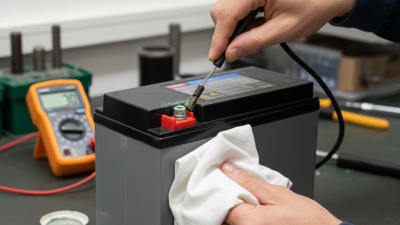
Operators should check the contacts before fitting the pack. Dust, moisture, and metal particles can cause poor connections.

Never force a battery into an incompatible machine.

A practical selection starts with the tool’s voltage and recommended battery type.

Then consider material thickness, cutting frequency, and access to charging points. A spare pack helps during long installation work, especially where electricity is unavailable.

However, carrying two small batteries may feel better than one heavy pack. No battery choice is perfect.

I have seen users focus on capacity and overlook balance, which creates fatigue by mid-shift.

Storage temperature also matters. Extreme heat can reduce service life, while cold conditions may lower temporary output.

Inspect swelling, cracks, unusual odor, or rapid discharge, and remove damaged packs from service according to local safety requirements.
Key Criteria for Evaluating Chinese Battery Manufacturers

Choosing a Chinese battery manufacturer for cutting machines requires more than comparing prices. Start with the battery’s chemistry, rated capacity, voltage stability, and discharge performance. Ask for test data from recent production batches, not only laboratory samples. A reliable supplier should explain its cell sourcing, battery management system, thermal protection, and quality checks.

I pay close attention to traceability. Each battery should have a production code, inspection record, and clear warranty terms. Request cycle-life results under working conditions similar to your cutting machine. For example, test performance after repeated cutting sessions, temperature changes, and partial charging.

Small details matter. Check connector quality, casing strength, charging time, and protection against overcurrent.

Factory experience also deserves careful review. Examine production equipment, worker procedures, inventory controls, and corrective-action records. Independent safety reports can support the supplier’s claims, but they should match the exact battery model. A certificate with a different specification proves little.

I once focused too heavily on capacity figures and underestimated communication delays. That was a costly mistake. A strong manufacturer should answer technical questions clearly, provide stable documentation, and support sample testing before bulk orders.

Do not judge reliability from polished presentations alone. Review customer references, inspection history, export experience, and compliance documents required in your target market. Compare at least two samples under identical machine loads. The cheapest option may not remain economical if its capacity drops quickly or replacement support is weak.

Leading China-Based Cutting Machine Battery Manufacturers

China Top Cutting Machine Battery Manufacturers?

China-based cutting machine battery manufacturers serve equipment builders, distributors, and maintenance teams worldwide. Their factories commonly produce lithium-ion and lead-acid battery systems for portable saws, cutters, and industrial equipment. Product quality depends on cell selection, battery management design, assembly control, and testing discipline.

In factory evaluations, I look beyond catalog capacity. A reliable manufacturer should explain cycle testing, operating temperature, charging limits, and protection functions clearly. Ask for test records, sample approvals, traceability details, and transport documents. The battery should fit the machine’s voltage, connector, mounting space, and peak-current demands. A slightly higher capacity is not always better.

Some factory records look polished.

Actual sample performance may differ. This is where careful verification matters. Request several samples from separate production batches, then measure runtime, charging temperature, voltage stability, and casing strength. Check whether workers use controlled torque tools and protective equipment during assembly. Manufacturers with engineering teams can usually adjust enclosure dimensions, communication protocols, and connector layouts. However, customization may increase lead time and minimum order quantities. Clear drawings prevent expensive misunderstandings.

Cutting environments create vibration, dust, heat, and repeated impact. A dependable China-based supplier should discuss sealing, thermal protection, balancing, and end-of-line inspection without vague promises. Independent laboratory testing can strengthen confidence, especially for larger commercial orders. Yet even strong documentation needs practical review. A battery that passes a bench test may still disappoint during daily field use.

Battery Technologies, Specifications, and Customization Options

China Top Cutting Machine Battery Manufacturers?

For cordless cutting machines, battery chemistry shapes cutting speed, heat, and service life. Lithium-ion packs remain dominant because they deliver high energy density in a compact case. The IEA’s Global EV Outlook 2024 reports global lithium-ion battery demand exceeded 750 GWh in 2023. Although this figure covers wider markets, it shows the scale behind current cell development. LFP chemistry offers strong thermal stability and long cycle life. NMC chemistry usually provides higher energy density and lighter packs. A workshop cutting thick steel may value peak current more than maximum capacity.

Specifications need practical testing. Common platforms use 18V, 20V, 36V, or 40V nominal systems. Capacity often ranges from 2Ah to 12Ah. Higher Ah can extend runtime, but it also adds weight. That trade-off is easy to underestimate. A battery manufacturer should publish continuous discharge current, peak current, cycle results, operating temperature, and BMS protection settings. BloombergNEF reported an average lithium-ion pack price of 115 US dollars per kWh in 2024, yet price alone cannot prove quality. Sample testing matters.

Tips: Request a test pack before bulk production. Compare cutting cycles, recharge time, surface temperature, and voltage drop. Ask for customized housings, connectors, communication protocols, labels, and firmware settings. Keep clearance around the cells. A tight enclosure can trap heat. I would also review failed samples, not only successful tests; that uncomfortable detail often reveals weak welding, unstable sensors, or poor capacity matching.

Typical Battery Technologies for Industrial Cutting Machines

The chart compares representative industry-typical values for rechargeable battery technologies commonly considered for portable and industrial cutting equipment. Energy density is shown in Wh/kg, while cycle life indicates approximate full charge-discharge cycles. Actual performance depends on cell design, operating temperature, discharge rate, battery-management system, and customization requirements.

Common customization options include pack voltage, capacity, enclosure dimensions, connector type, protection settings, thermal management, charging speed, communication protocols, and resistance to dust, vibration, and moisture.

How to Select and Purchase a Reliable Battery Supplier

China Top Cutting Machine Battery Manufacturers?

How to Select and Purchase a Reliable Battery Supplier

Selecting a cutting machine battery supplier requires more than comparing online prices. Check the battery’s voltage, capacity, peak current, dimensions, connector, and communication protocol. These details must match the machine’s controller and charging system. A small mismatch can cause shutdowns, overheating, or poor cutting performance. Ask for the battery chemistry and battery management system specifications. Do not accept vague descriptions.

A reliable supplier should provide test reports, production records, and clear traceability. Request samples from the same production line used for bulk orders. Test them under real conditions, including repeated starts, heavy cutting, and low-temperature operation. Check cycle-life data instead of trusting attractive marketing claims. Independent verification is valuable. Ask whether the supplier can provide relevant transport and safety documentation, such as UN 38.3 test evidence where applicable.

Visit the factory if the order is important. Observe cell storage, welding equipment, aging tests, and quality inspection areas. A clean showroom proves little. Speak with the engineering team about replacement parts, firmware changes, warranty limits, and response times. A written agreement should define capacity tolerance, delivery dates, inspection rules, and remedies for defective units. Price still matters, but the cheapest battery may create expensive downtime. I would also leave room for doubt: laboratory results may not reflect dust, vibration, or careless charging on a busy worksite. Ask for field references, then verify them independently.