Best Stent Coating Machine for Efficient Medical Solutions?
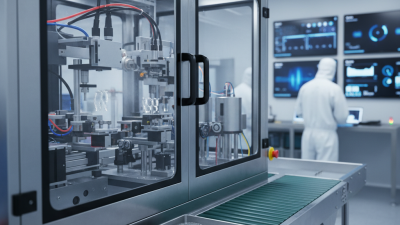
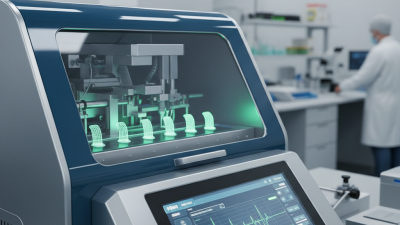
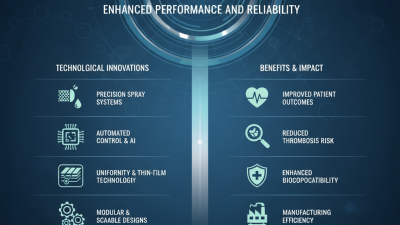
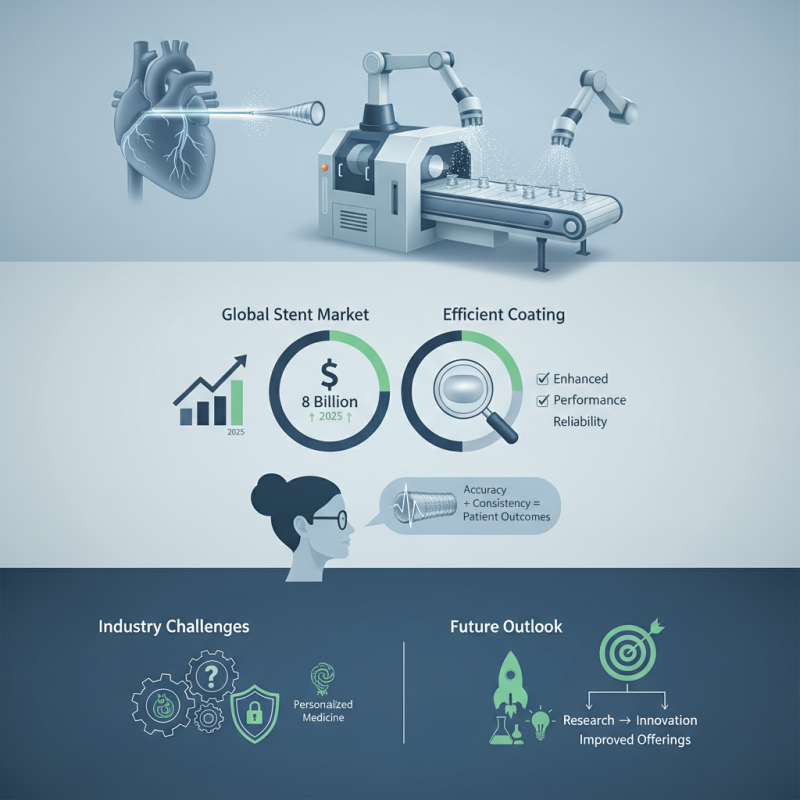
The evolution of medical devices has driven the demand for advanced technologies like the Stent Coating Machine. According to a recent report from MarketsandMarkets, the global stent market is projected to grow significantly, reaching $8 billion by 2025. This highlights the need for efficient coating machines in producing high-quality stents. The right Stent Coating Machine plays a crucial role in enhancing the performance and reliability of these medical devices.
Dr. Emily Hart, a leading expert in biomedical engineering, states, "The accuracy and consistency of stent coatings are vital for patient outcomes." Her insights underline the necessity for manufacturers to invest in state-of-the-art Stent Coating Machines. These machines not only ensure uniform coating but also reduce production waste, ultimately benefiting the healthcare industry.
While advancements have been made, challenges remain. Developing coatings that meet strict regulatory standards is an ongoing task. The industry's shift toward personalized medicine complicates the situation further. Continuous research and innovation are essential for addressing these issues and improving market offerings. It’s a critical time for stakeholders to reflect on their strategies, fostering a culture of excellence in stent manufacturing.
Best Stent Coating Machine Overview: Understanding Market Needs
In the evolving field of medical technology,
stent coating machines play a crucial role. Their design must meet market demands driven by
safety and efficacy.
Advanced machines should enhance coating uniformity and precision,
contributing to better patient outcomes. Professionals must consider factors like operational efficiency
and ease of use when selecting equipment.
Tips for selecting a stent coating machine:
Prioritize machines that allow for quick adjustments.
Flexibility is essential in a rapidly changing market. Evaluate how easily you can clean and maintain the equipment.
This can save time and costs in the long run.
Market needs are diverse, driven by different types of stents. Each application may require unique
coating technologies. It is crucial to gather feedback from end-users
to identify potential improvements. Reflection on past challenges can guide future innovations.
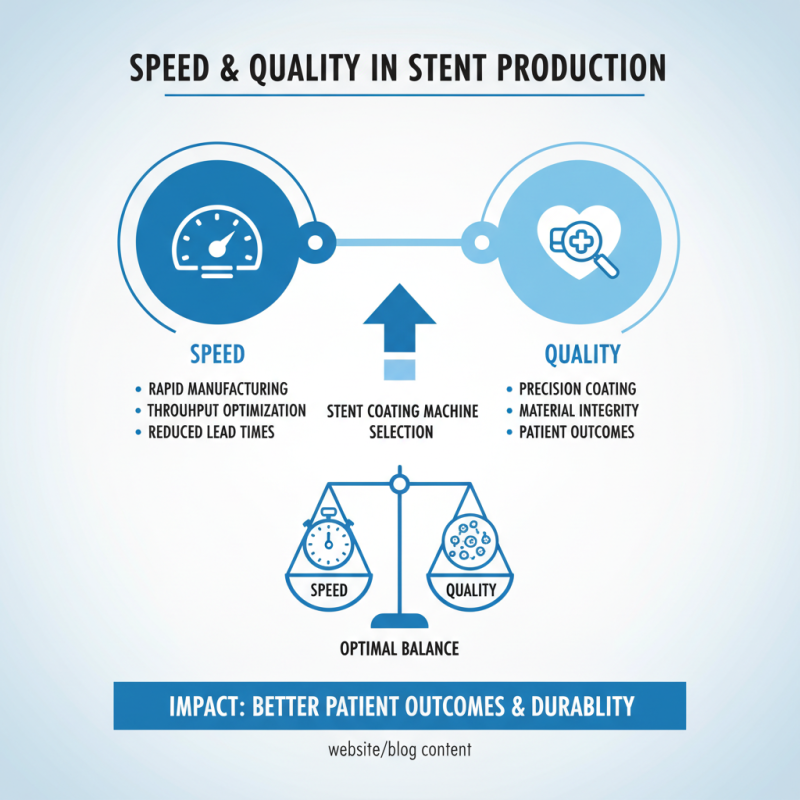
The right machine can significantly impact product quality
and patient safety.
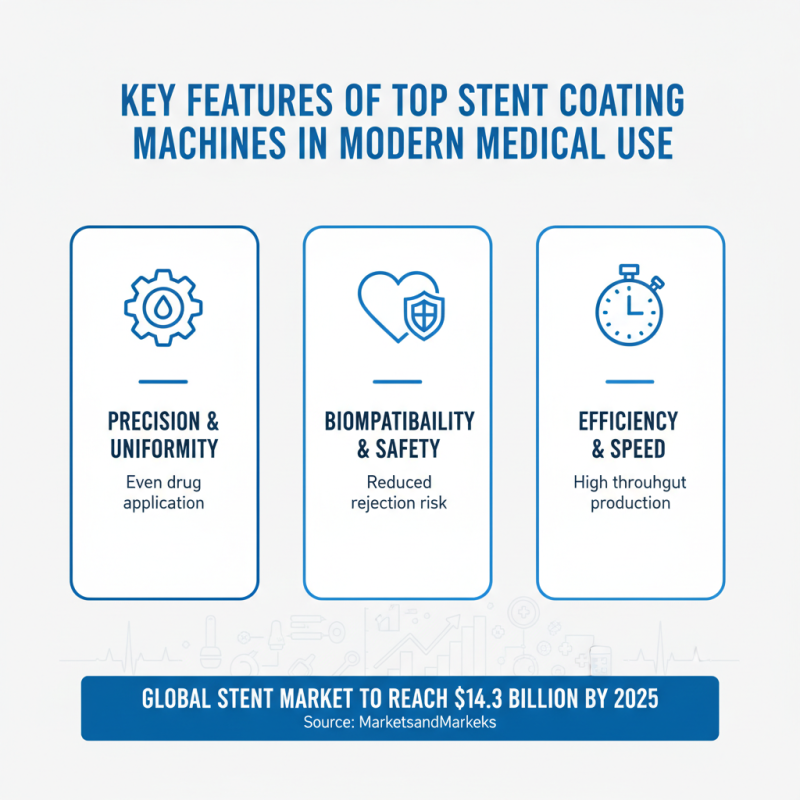
Key Features of Top Stent Coating Machines in Modern Medical Use
In modern medical solutions, stent coating machines play a crucial role. Their efficiency directly impacts patient outcomes and product longevity. A recent report by MarketsandMarkets highlights that the global stent market will reach $14.3 billion by 2025, emphasizing the need for advanced manufacturing technologies.
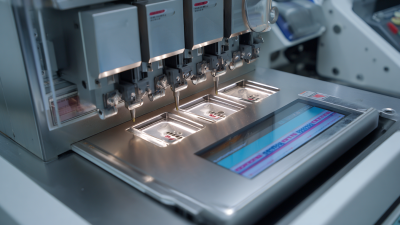
Key features of top stent coating machines include precision application, which ensures that coatings are evenly distributed. This technology reduces wastage and improves adhesion. High throughput is another essential factor. Machines with the ability to process up to 1,000 stents per hour are becoming the standard. This efficiency is vital in meeting increasing demands while maintaining quality.
However, challenges remain in optimizing coatings for biocompatibility and longevity. Current materials may not always provide the desired durability, leading to potential complications. Ongoing research aims to refine these coatings to enhance performance. Manufacturers must continually adapt to these insights to stay ahead in the evolving medical landscape.
Comparative Analysis of Coating Technologies: Biocompatibility Data
Coating technologies play a crucial role in the effectiveness of stents. Recent studies reveal that biocompatibility varies significantly across different coating methods. For instance, polymer-based coatings often exhibit favorable biocompatibility, with success rates nearing 90% in clinical evaluations. In contrast, metallic coatings tend to have limited compatibility due to potential leaching of metallic ions.
Furthermore, a report from the Journal of Medical Device Research highlights that only about 70% of stents with traditional coatings meet the required safety standards. The inconsistency in biocompatibility often leads to severe complications. Microneedled coatings, in particular, show an emerging trend, with preliminary trials indicating a reduced incidence of thrombosis compared to standard coatings.
It's crucial to critically assess these technologies. While advancements offer promising results, a significant portion of existing data remains inconclusive. Continuous refinement in biocompatibility testing, including real-time imaging and cellular response assessments, is necessary. Relying solely on existing methodologies might hinder innovation. As the field evolves, the importance of comprehensive, evidence-based evaluations cannot be overstated. The quest for optimal stent coatings continues, characterized by both hope and uncertainty.
Comparative Analysis of Stent Coating Technologies
This chart illustrates the performance metrics of various stent coating technologies with respect to their biocompatibility, adherence, and release profile.
Trends in Medical Device Coating: Innovating for Improved Patient Outcomes
The landscape of medical device coating is rapidly evolving. Innovations in this field aim to enhance patient outcomes significantly. A recent report by Grand View Research highlights that the global medical device coatings market is expected to reach $20.5 billion by 2028, driven by demands for biocompatibility and improved device performance. The advancements in stent coatings specifically address issues like thrombosis and restenosis, two critical factors for patient safety and recovery.
Material selection plays a pivotal role in the coating process. Current trends show a shift towards using biodegradable polymers. These materials minimize the risk of long-term complications associated with synthetic options. This focus aligns with the observed 30% reduction in complications for patients using advanced coated stents. Despite these advancements, challenges remain. Not all coatings provide uniformity, sometimes leading to inconsistent therapeutic outcomes. Therefore, refinement in coating technology is essential for better predictability and performance in diverse patient populations.
Market players are constantly looking for new technologies. This includes exploring nanocoatings for enhanced drug delivery and controlled release. While progress is commendable, capacity for scalability and production efficiency must improve. Reports indicate that many manufacturers still struggle with production bottlenecks, leading to delays in bringing innovative devices to market. Ultimately, ongoing research and collaboration among industry stakeholders are crucial for overcoming these hurdles and achieving desired healthcare outcomes.