Best Coating Powder Machine for Efficient Production Today?
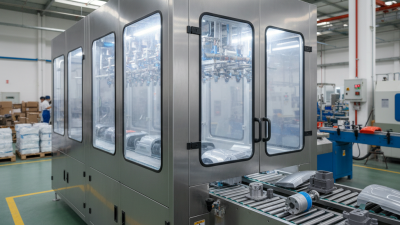
In today's fast-paced manufacturing environment, selecting the right Coating Powder Machine is crucial for efficiency. Such machines play a pivotal role in ensuring products meet high-quality standards while maximizing output. When seeking the best option, manufacturers must consider various factors, from the machine's design to its technology and production capabilities.
Many machines boast advanced features. However, how well they perform in real-world conditions often varies. It's essential to weigh user experiences and expert opinions. A reliable Coating Powder Machine should deliver consistent results over time. It must withstand the rigors of daily use.
Exploring market options reveals a landscape of both established brands and innovative newcomers. While some machines promise superior speed, others offer precision in coating. Often, manufacturers face challenges in balancing these attributes. Reflecting on production needs can lead to better choices in the long run. Ultimately, the right Coating Powder Machine can enhance efficiency, but only with careful evaluation.
Understanding Coating Powder Machines: Types and Functions
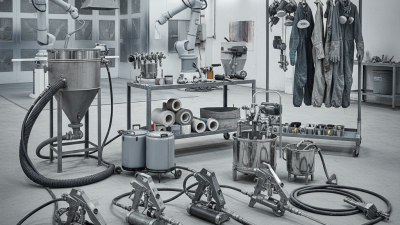
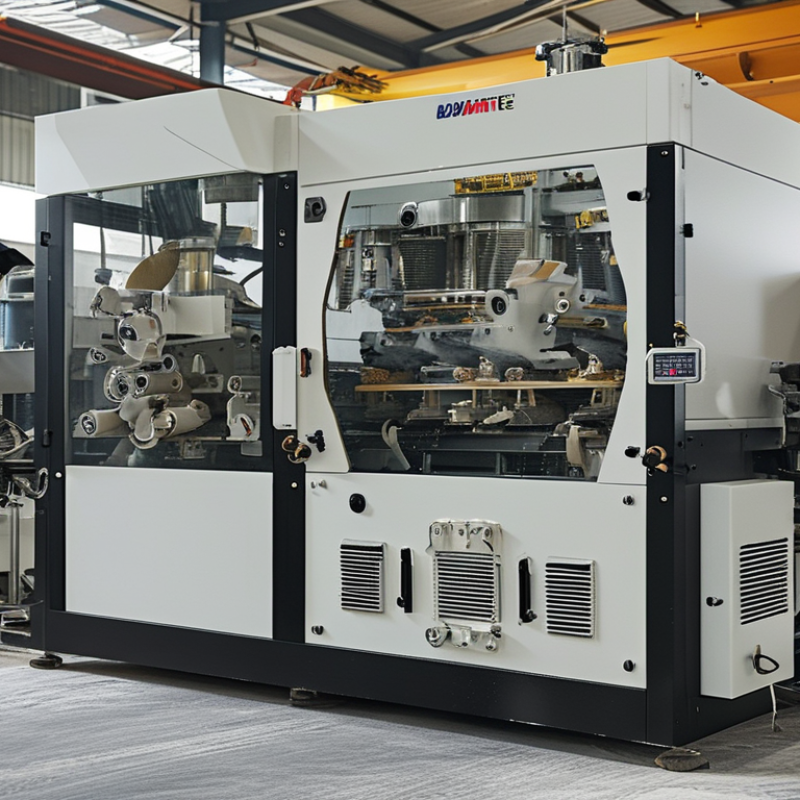
Coating powder machines play a critical role in modern manufacturing processes. These machines help achieve high-quality finishes on various surfaces. There are several types of coating powder machines, each designed for specific applications. Common types include electrostatic spray guns, fluidized bed systems, and automatic coating lines. Each offers unique advantages based on the production scale and desired finish quality.
Electrostatic spray guns are prominent in the industry, accounting for approximately 40% of the market share in powder coating applications. They use charged particles to enhance coating adhesion. Fluidized bed systems, on the other hand, create a uniform coating layer, ideal for complex geometries. These machines require careful calibration. Improper settings can result in uneven finishes.
Production efficiency is paramount, but challenges remain. Technical issues can arise during operation. These may include inconsistent powder flow or equipment wear. Continuous monitoring and maintenance are crucial. According to a recent industry report, over 30% of manufacturers experience downtime due to equipment malfunctions. Addressing these issues can improve overall productivity and output quality. Understanding the functions and types of coating powder machines helps manufacturers make informed decisions.
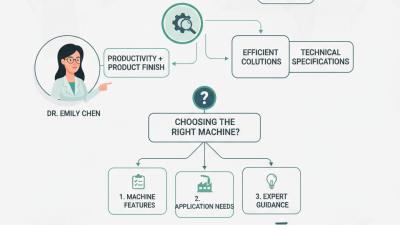
Key Features to Consider When Selecting a Coating Powder Machine
Choosing the right coating powder machine can significantly enhance production efficiency. Start by assessing the machine’s capacity. This determines how much product can be processed at once. A machine that operates too slowly can bottleneck your production line, leading to delays.
Next, consider the application versatility. Some machines are designed for specific powders or surfaces. If you frequently switch between different materials, a more adaptable machine may be necessary. It’s vital to think about future needs as well.
Precision is crucial in the coating process. Look for machines that offer consistent application rates. Variability in coating thickness can lead to quality issues. Lastly, effective maintenance options are essential for long-term operation. Machines that require frequent repairs can hinder productivity and incur higher costs. Reflecting on these features will help in selecting a machine that meets both current and future demands.
Top Brands and Models of Coating Powder Machines in 2023
In 2023, the landscape of coating powder machines has evolved significantly. Many manufacturers now prioritize efficiency and precision. High-quality machines are essential for businesses aiming to optimize production. Features like rapid curing times and uniform coating applications enhance productivity. The machines must also be easy to maintain and operate, as this encourages minimal downtime.
When exploring top brands and models, look for those with proven track records in the industry. User reviews can provide insightful feedback on performance and reliability. Pay attention to tech advancements, such as automated systems that reduce manual labor. Furthermore, manufacturers often offer comprehensive warranties and customer support, which adds another layer of trust.
However, it is important to recognize that not all machines will meet every business's unique needs. Reflection on past experiences can guide future purchases. Sometimes, a more affordable option may deliver satisfactory results. Evaluate your specific production requirements, as this will lead to the best choice for your company.
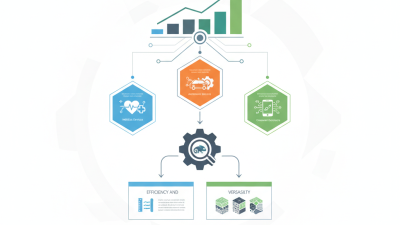
Efficiency and Performance Metrics for Coating Powder Production
The production efficiency of coating powder machines is crucial for industries aiming for high-quality outputs. Reports highlight that optimizing machinery can lead to a 30% increase in productivity. High-performance machines can process 1,000 kg of powder within hours, drastically reducing downtime. Usage of advanced sensors and automated controls enhances precision, ensuring a consistent particle size and even coating.
However, efficiency is not merely about speed. Quality metrics must be carefully monitored. Studies show that machines integrating real-time feedback systems improve product consistency by 25%. This tells us that while speed is essential, maintaining quality standards cannot be overlooked. Less efficient machines may produce more waste due to inconsistencies, compelling manufacturers to adjust their strategies.
Training staff to operate these machines efficiently is another critical factor. Even the best technology requires knowledgeable operators. Many facilities report a learning curve that can last up to three months. Investing in employee skill development ensures the proper use of machinery, enhancing overall performance. Neglecting this can lead to suboptimal results and increased operational costs.
Future Innovations in Coating Powder Technology and Machinery
Recent advancements in coating powder technology are reshaping the industry. Companies are increasingly adopting innovative machinery to enhance production efficiency. Research indicates that manufacturers can achieve up to 30% higher output with modern machines compared to older models. This shift not only reduces operational costs but also meets the growing demand for high-quality finishes in diverse applications.
One area gaining attention is the development of eco-friendly coating powders. Reports show that over 50% of powder coating businesses are exploring sustainable alternatives. These options are not just environmentally friendly; they can also reduce overall production waste significantly. However, many manufacturers find the transition challenging as they adapt their processes and machinery to accommodate new materials. This reflects the broader struggle within the industry to balance efficiency and sustainability.
Moreover, the integration of automation technologies, like AI and IoT, is on the rise. Studies reveal that automated systems can minimize human error and enhance precision. Yet, with the complexity comes the need for skilled operators who understand both technology and coating processes. This skill gap poses a challenge, as companies must invest in training while simultaneously upgrading their machinery to keep up with rapid innovations.
Best Coating Powder Machine for Efficient Production Today